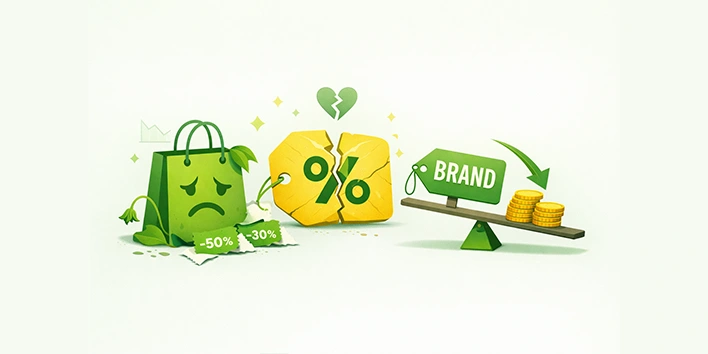

We've all had that sinking feeling after a massive sale where the revenue looks great، but the profit margins look like they've been through a paper shredder. It's a common trap for Shopify store owners who use the "spray and pray" method of discounting.
We often think that a lower price always means more buyers. But without a clear vision of our numbers، we're basically just guessing. This is where data-driven marketing enters the picture to help us make smarter choices.
In this guide، we'll show you how to stop the margin bleed. By the end، you'll know how to target the right people and use discounts that actually build your business. Let’s get started.
What Exactly is Data Driven Marketing?
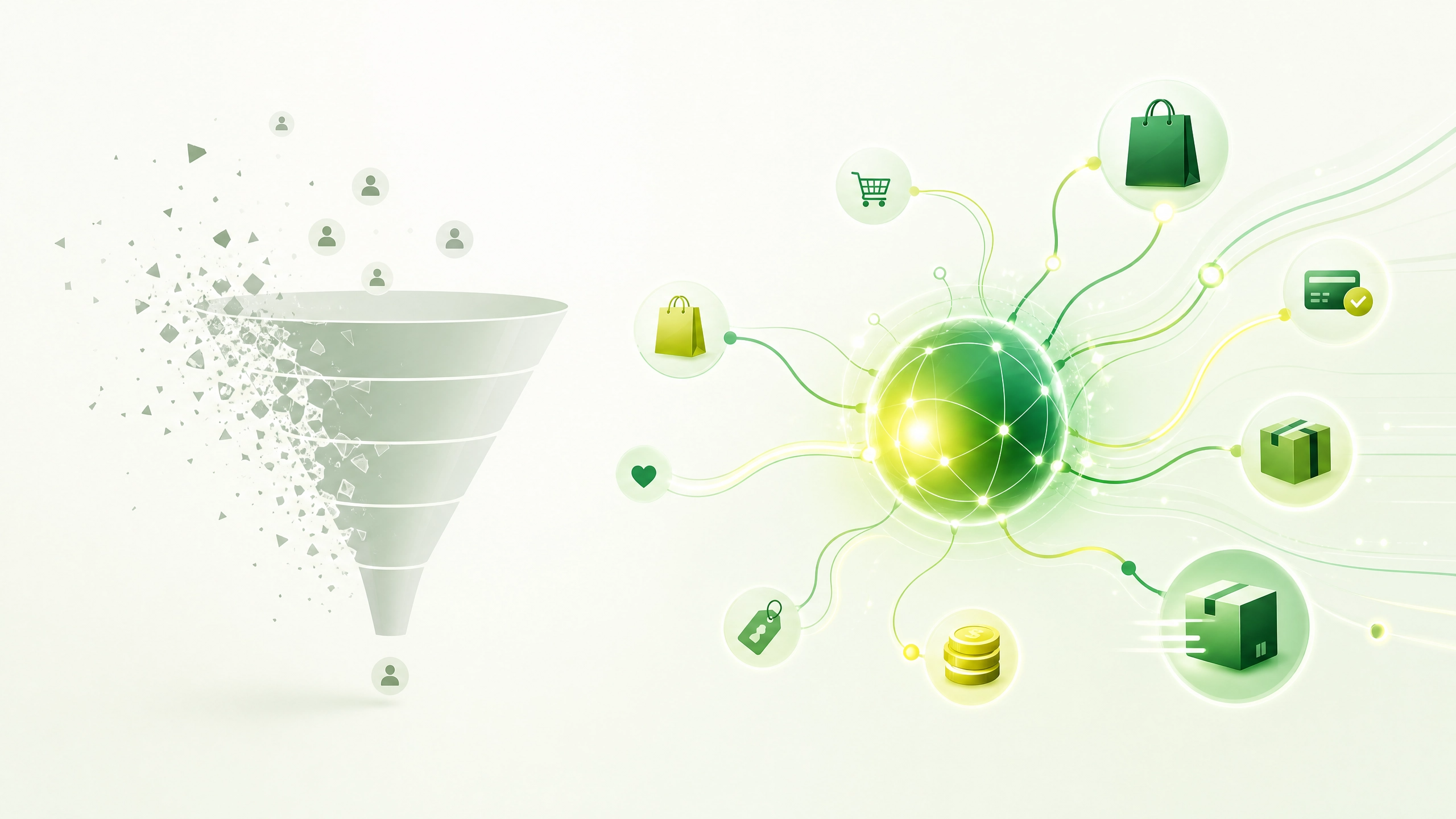
Simply put، data driven marketingis the process of using real information to make your marketing decisions. We aren't relying on a "gut feeling" anymore. Instead، we look at how people interact with our Shopify store to see what they actually want and when they want it.
To build a winning data driven marketing strategy، we usually focus on three specific types of information:
- Behavioral Signals: What products are people looking at? Where do they click before they leave?
- Transaction History: What did they buy last time? How much do they usually spend?
- Customer Cues: Are they opening your emails? Are they interacting with your social posts?
By connecting these dots، we can see the whole picture. It’s like having a map of your customer’s mind. You stop wasting money on ads that don't work and start putting your budget where it actually brings in cash.
The Major Benefits: Why Data Wins the E-commerce Game
Why bother with all these numbers? Because the benefits of data in online marketing are too big to ignore. When we use data، we stop shouting at a crowd and start having a conversation with a friend.
Precision Targeting Over Volume
When we know exactly who we're talking to، we don't need to reach a million people to make a sale. We find the specific group that is ready to buy right now. This makes your conversion rates jump because your message is finally reaching the right person at the right time.
Creating Personal Experiences
People don't want to feel like a number. They want to feel seen. Data lets us create experiences that feel "human" even though they are automated. Imagine a customer getting a special offer on the exact coffee beans they bought last month. That doesn't feel like an ad. It feels like a helpful reminder.
Radical Efficiency in Your Budget
We can see which campaigns are working in real time. If an ad isn't performing، we pull the plug and move that money to a winner. This ensures that every dollar you spend is working as hard as possible.
The Proof in the Numbers: Calculating the ROI Shift
We often hear that data is the "new oil،" but for a Shopify store owner، it’s more like the new compass. Without it، you're just wandering. When we look at the actual performance of stores that use a data driven marketing strategy، the results are hard to ignore.
The data shows that organizations using these methods see a 5% to 15% increase in both revenue and profit margins. But here is the real kicker: brands using personalized data deliver 5 to 8 times more return on their marketing spend. They also lower the cost of finding new customers by about 50%.
Why does this happen? It’s because these stores stop wasting money on people who aren't interested. They focus their budget on the "high-value" shoppers who are actually ready to click "buy." This moves marketing from a "cost" that we worry about into a growth tool that we can actually trust.
Data Driven Discounting: What Is It and How Is It Different?
So we know what the big picture looks like. But how does this change the way we handle sales? Data driven discounting is the tactical side of the coin. While general marketing is about getting people to see your brand، this is about using behavioral facts to decide exactly what kind of deal to offer and when to offer it.
Think of it this way. General marketing is like putting up a big "Sale" sign in front of a store. Everyone sees the same thing. Data driven discounting is like a shopkeeper who recognizes you walk in، remembers you love blue shirts، and offers you a special deal on the new blue inventory just as you're looking at it.
Here is a data driven discounting example to show the power of this:
- The Old Way: Sending a 15% off coupon to every person on your email list.
- The Data Way: Sending a 20% off coupon only to customers who haven't bought in 60 days but have visited your site three times this week.
The second option is much more likely to work because it’s answering a specific need at the exact right moment.
Read More: What is tiered discount?
How Data Sharpens Your Discount Strategy
This is where things get interesting. When you combine your marketing data with your sales strategy، you start to protect your bottom line. Most people don't realize that a 20% discount can actually cut your gross profit by 25% or even 30%. That is a huge hit to take if you don't have a plan.
By using a data driven marketing approach، you can figure out which products actually need a discount and which ones will sell at full price regardless. We call this finding the "sweet spot." You can group your products into categories based on how people react to their prices:
- High-Sensitivity Items: These are the products people compare prices on. You might discount these to get people in the door.
- Unique Items: These are things people can only get from you. You keep these at full price to save your margins.
If you're exploring ways to handle this without spending all day on spreadsheets، tools like Discounty can help you automate these rules. You can set up your "Buy X، Get Y" tiers based on these categories and let the software handle the logic while you focus on other parts of your business. This synergy ensures you're making sales that actually keep your business healthy.
Quick Recap: The Core Benefits of Data-Driven Discounting
Let’s look at the benefits of data in online marketing when we focus on sales. It’s not just about a quick win. It’s about building a store that is healthy and profitable for the long haul. When we stop guessing and start using facts، we gain a huge advantage over competitors who are still just "trying things out."
Here is a quick look at the top perks of this approach:
- Cutting Churn Rates: We can find customers who are about to stop buying and give them a reason to stay before they disappear.
- Boosting Order Value: By using tiered deals (like "Buy 3، Save 20%")، we encourage people to spend more in a single visit.
- Saving Your Margins: We stop giving discounts to people who were going to pay full price anyway.
- Improving Brand Health: When our sales have a clear reason and target، customers don't start seeing our brand as a "discount bin."
- Predictable Growth: With data، we can see exactly how much money a campaign will bring in before we even launch it.
Best Practices for Implementing Data-Driven Discount Marketing
So, how do we actually put this into play? Data-driven advertising is all about relevance. If a message doesn't feel like it was written for the person reading it، it’s just noise.
Use Behavioral Triggers
Think of this like a helpful shop assistant. If someone puts an item in their cart and then leaves، that’s a signal. Sending a small discount code an hour later is a great way to nudge them back. This works much better than a generic sale because it answers a specific action the customer just took.
Focus on RFM Scoring
This is a fancy way of looking at three things: Recency (how recently they bought)، Frequency (how often they buy)، and Monetary Value (how much they spend). We group our customers into these buckets to see who our "Champions" are and who needs a little extra love to come back.
The Total Customer Effect (TCE)
We have to look at the big picture. Sometimes a discount looks like it's failing because it has low immediate sales. But if those few customers stay for three years and buy ten more times، that discount was a massive success. We always look at the long-term value of the person we are bringing in.
The Hurdles: Common Challenges and How to Solve Them
We have to be honest. This isn't always easy. There are real walls that Shopify owners hit when they try to move to a data-first plan.
The first is "data silos." This happens when your email tool doesn't talk to your checkout tool، and your checkout tool doesn't talk to your ads. It makes it nearly impossible to see the whole path.
Another big issue is attribution. It’s hard to know which specific ad or social post actually made the customer pull the trigger. Was it the first email?. The second ad?. Or the discount code?. Without the right setup، you’re just guessing which part of your budget is doing the work.
Finally، there is the problem of time. Most of us don't have hours to manually set up hundreds of different discount tiers for every product. This is where automation is a lifesaver. If you find yourself stuck in the mud with manual settings، tools like Discounty offer a way to automate these logic-based discounts. It handles the tiers and the updates for you، so your strategy stays running even when you're busy with other things.
How Discounty Executes Your Data-Driven Strategy
Implementing a complex sales plan manually can feel like trying to solve a puzzle while blindfolded. This is exactly where automation helps your Shopify store. By using a tool like Discounty، you can turn those high-level data insights into actual live campaigns in just a few clicks. It bridges the gap between wanting a smart strategy and actually running one.
Automated Tiered Discounts
You can quickly create tiers like "Buy 2، Get 10% Off" or "Buy 3، Get 20% Off". This encourages customers to increase their basket size without you having to touch a single line of code. It is a simple way to boost your average order value while making the customer feel like they are winning.
Read More: What is automatic discount?
The Benefit of Auto-Update
One of the most annoying parts of running a sale is adding new products to an existing campaign. Discounty solves this with an auto-update feature. If you add 10 new items to your summer collection، the app automatically applies your active promotions to them immediately. This makes sure your store stays consistent, and your data-driven rules are always active across your entire inventory.
Campaign Combinations
Usually، running multiple discounts at once leads to disaster and lower profits. However، this tool lets you combine different types of campaigns safely. You can run a cart-level discount alongside a product-specific volume break. This gives you the flexibility to reward big spenders without accidentally giving your products away for free.
Real-World Stories: Data-Driven Marketing Examples in Shopify
We’ve seen how the theory works، but let’s look at what happens when these ideas hit the real Shopify pavement.
Sassy Scents: What Happens When You Stop Guessing?
Sassy Scents realized their old popups weren't working. They switched to smart ones that offered product recommendations based on real browsing data. By treating visitors like individuals rather than just a crowd، they saw a 25% conversion rate on their lead forms.
Read More: Increase Shopify store conversion rates with discount
Mott & Bow: Turning Window Shoppers Into 100,000 Friends
Mott & Bow had plenty of traffic but few buyers. They used behavioral data to show multi-step popups only to high-intent visitors. This focused timing helped them gain over 100,000 email subscribers in half a year. It shows that when you offer a deal at the right moment، people actually listen.
Gelpro Australia: The AI Nudge That Saved the Sale
Gelpro Australia tracked exactly where shoppers were leaving their site. They used those insights to add AI reminders and personalized product suggestions for those specific spots. These small tweaks resulted in a 30% increase in total sales.
Lily Charmed: Turning Selfies Into a 40% Loyalty Boost
Lily Charmed used their data to find their most loyal fans. They offered special discounts to anyone who shared a photo review. This built massive social proof and grew their return customer rate by 40% in just one year.
M2S Bikes: The $50,000 Hidden in Your Cart
M2S Bikes focused on their cart abandonment data. They started sending unique discount codes to people who left items behind. Even though the popup didn't show for everyone، the 26 people who used it brought in over $51,000 in revenue. If you want to set up these logic-based discounts without the manual stress، tools like Discounty handle the entire process for you.
Conclusion: Making Your Shopify Store Future-Proof
The era of "one-size-fits-all" sales is over. In a market where everyone is shouting for attention، precision is no longer just an advantage. It is what you need to survive. Every discount you offer should have a clear goal and a way to measure its success over the long haul.
By moving toward a data driven marketing mindset، you are choosing to protect your margins. You are building a loyal customer base that values your brand for more than just a low price. Start small، test your ideas against a control group، and let the facts lead your growth. Your profit margins will thank you.
Data-Driven Marketing FAQ
1. Is personalized discounting a privacy risk?
No، as long as you stay in line with laws like GDPR. Most customers are happy to share their preferences if they get a better experience in return.
2. How to implement data-driven insights to improve campaign performance and ROI?
By looking at the whole customer path. Instead of just looking at the last link clicked، we look at every touchpoint from the first ad to the final sale.
3. How do you create a data-driven marketing strategy?
Start by auditing what you are already doing. Set clear goals، centralize your info، and use tools that automate the manual work.

.png)