
Marketing and Discount

Cost-Effective Pricing Strategies: A Comprehensive Guide

Mateo Rossini
|
February 18, 2026

In the early days of starting a business, one of the biggest questions (and, let’s be honest, challenges) is figuring out how to set the right price. Sound familiar? If you’ve ever struggled to balance affordability, value, and profitability, you’re definitely not alone. That’s exactly where cost-effective pricing comes into play. But don’t stress! This article is here to break down pricing strategies, explain how cost-effective pricing works in real life, and answer all your burning questions. Ready? Let’s dive in!

Understanding Price: Definition and Importance

Behind every successful product is a tried-and-true secret formula: the 4 Ps of marketing. Get the Product right, nail the Price, find the perfect Place, and craft a killer Promotion and then, boom! You’ve got a winning recipe.

In this article, we’re zooming in on the second "P," which happens to be a cornerstone of every business: Price. But what exactly is the price?

In basic terms, it’s the money someone pays to get a product. Sounds easy enough, right? But if you’re the one setting the price, it’s a whole different ballgame. It’s way more than just picking a random number. Stick with us to learn how nailing your pricing strategy can take your business to the next level.

What Are Pricing Strategies?

A pricing strategy is basically the game plan you use to decide how much to charge for your products.  The “right” pricing approach depends on a mix of things, like what your product is, who your target audience is, the current market vibes, and even your long-term goals.

What Is Cost-Effective Pricing?

Cost-effective pricing is all about finding that sweet spot where your prices make sense for both your customers and your business.

It means setting prices that cover your costs, stay competitive in the market, and still feel like a good deal to your customers. Instead of simply charging the lowest price possible, this approach focuses on maximizing value—offering fair pricing while protecting your profit margins.

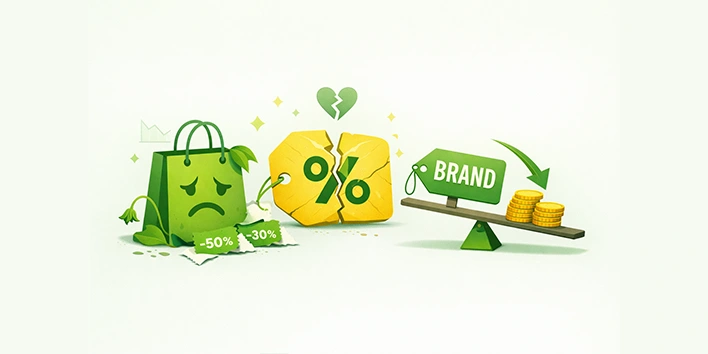
When done right, cost-effective pricing helps you grow sustainably, attract the right customers, and avoid the trap of constant price cuts that can hurt your brand in the long run.

How Do Discounts Impact Cost-Effective Pricing?

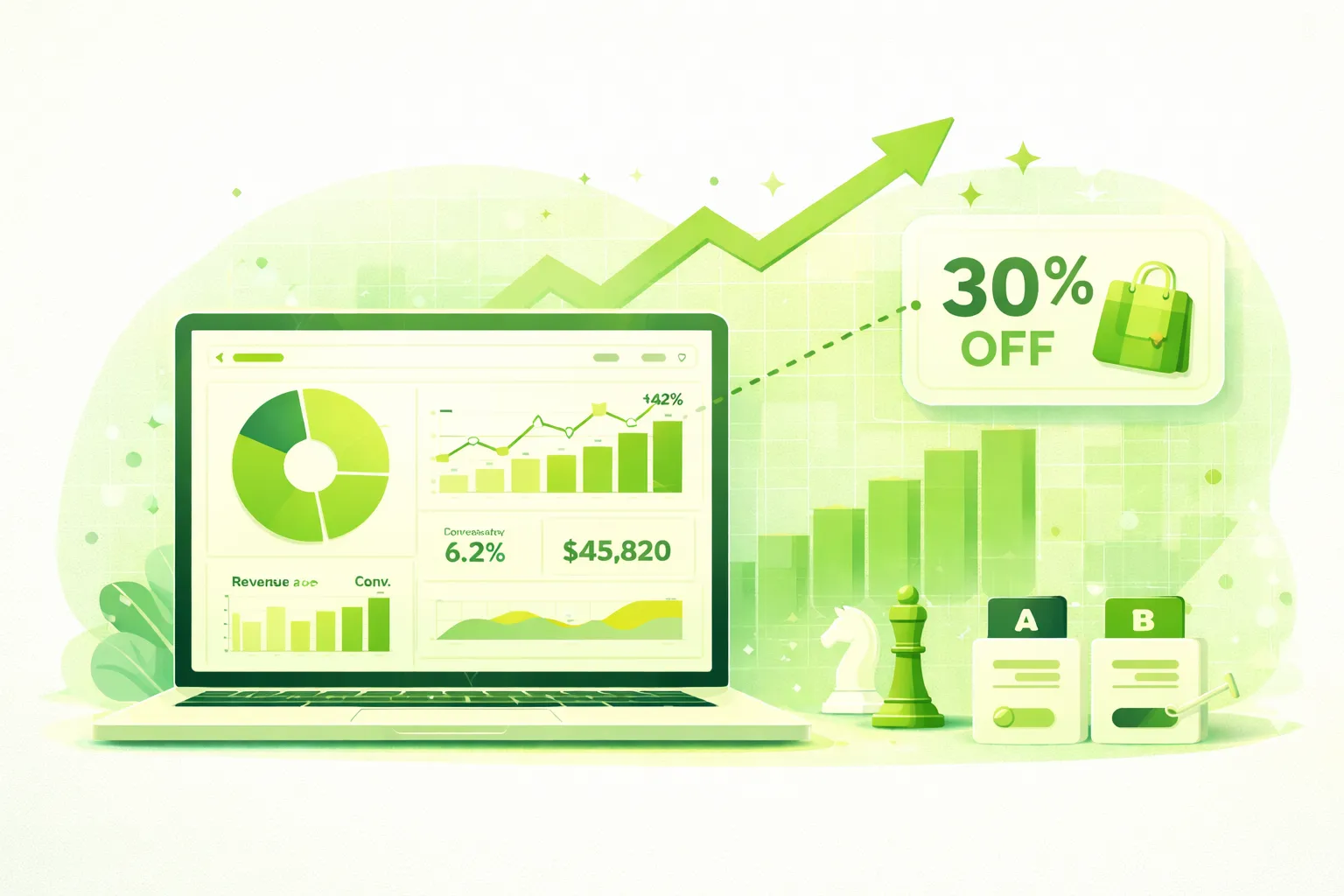
Discounts can be a double-edged sword when it comes to cost-effective pricing. Used the right way, they help you move inventory faster, attract price-sensitive customers, and increase overall sales volume without hurting your margins. But when discounts are applied too often or without a clear goal, they can quickly eat into profits and make your pricing less cost-effective.

The key is strategic discounting: using limited-time offers, targeted promotions, or bundle deals that protect your costs while still delivering strong value to customers.

Key Features and Benefits of Pricing Strategies

Having a solid pricing strategy, alongside the right product, place, and promotion, is like having your own genie. It has unlimited features, as you can see below:

1. Increases Your Profitability

Picking the right pricing strategy ensures your product or service hits that sweet spot: attracting customers, covering costs, and boosting your profits. It’s all about balance!

2. Competitive Advantage

A smart pricing strategy helps you position your product or service in a way that stands out. Done right, it can give you the edge you need to outshine your competitors and claim your spot in the market.

3. Customer Loyalty and Trust

When you’re upfront about your pricing and keep it fair, it does more than just make the sale; it builds trust. And trust? That’s the magic ingredient for customer loyalty. When people feel like they’re being treated right, they’re way more likely to stick around and keep coming back to your brand.

Read More: Increase customer loyalty with discounts

4. Helps Segment the Market

Using different pricing strategies, like psychological discount strategies or tiered pricing, is a smart way to appeal to various customer segments and make the most of revenue opportunities across different demographics.

5. Support for Long-Term Growth

Sustainable pricing strategies, like value-based or skimming pricing, are key to maintaining long-term profitability and keeping your market position steady. They work because they align your pricing with your product’s value or market dynamics, ensuring you’re not just competitive but also financially resilient. Makes sense, right?

Different Types of Pricing Strategies in Marketing

Different businesses have different needs, which is why it’s super important to explore various strategies and figure out what works best for your goals. Here, we’ve laid out some common pricing strategies, highlighting their pros and cons and which types of businesses each strategy suits best.

Cost Plus Pricing

One of the simplest and most straightforward pricing strategies out there is called cost-plus pricing. As the name suggests, it’s all about adding a fixed amount of money to the cost of producing a product. While this approach guarantees a profit margin (which is great!), it doesn’t always sync up with what the market is looking for.

Cost-plus pricing works best for businesses where costs are steady and predictable, but it’s not the greatest fit for industries that are highly competitive or constantly changing.

Check out the table below for a quick rundown of the pros and cons of this strategy:

Pros:

  • Easy to calculate
  • Ensures All Costs Are Covered
  • Provides a Clear Rationale for Pricing

Cons:

  • Doesn't Consider the Market Demand
  • Competitor Pricing Strategies Are not Factored in
  • If Costs Fluctuate Frequently, It Can Result in Inconsistent Pricing.

Competitive Pricing

A competitive pricing strategy is all about keeping an eye on what your competitors are charging and then setting your own prices accordingly, whether it’s slightly lower, higher, or right in line with them.

This approach works well when there are plenty of competitors offering similar products to yours. It helps you stay in the game and attract customers who are shopping around.

Take a look at the pros and cons of competitive pricing in the table below to see if it’s the right fit for your business!

Pros:

  • Attracts Price-Sensitive Customers
  • Staying aligned with competitors
  • Prevents Overpricing

Cons:

  • Price Wars
  • Unstable Revenue
  • Lack of Differentiation

Value-Based Pricing

Value-based pricing is all about setting your prices based on how much your customers believe your product or service is worth rather than focusing on production costs or past prices. Since this strategy relies on understanding what your customers truly value, it calls for a solid grasp of their preferences, the competition, and what makes your offering stand out.

This approach works wonders for businesses with unique products or services, such as luxury goods or anything that really resonates with a niche audience. But, as with any strategy, it has its ups and downs. Check out the table below to see the benefits and drawbacks of value-based pricing!

Pros:

  • Customer Focus
  • Flexibility
  • Increased Profit Margins (In the case if customers see high value)

Cons:

  • Complexity in Implementation:
  • Requires Strong Marketing
  • Risk of Misjudgment

Skimming Pricing

Skimming pricing, also called price skimming or skim pricing, is a strategy where businesses launch new products at high prices and gradually lower them as competitors enter the market. The idea is to tap into the demand from early adopters who are willing to pay a premium and then, over time, attract more price-sensitive customers as the price drops.

This approach is especially popular for innovative or high-tech products where there’s strong demand at the start. But, as always, it comes with its pros and cons. Here’s a quick look at the main price skimming advantages and disadvantages:

Pros:

  • Maximizes Early Profits
  • Creates Perception of Quality
  • Tests Market Demand

Cons:

  • Customer Dissatisfaction (In the case of lowering price)
  • Requires Unique Product
  • Slower Adoption Rate

Read More: What is ethical discounting?

Penetration Pricing

Penetration pricing is a strategy where businesses set a super low initial price to grab the attention of customers and attract a large audience quickly. This approach is especially common for companies launching new gadgets or for businesses looking to make a strong entrance into a competitive market.

While this strategy can create a buzz and help build a customer base fast, it does have its drawbacks. Check out the pros and cons of penetration pricing below to see if it’s the right move for your business!

Pros:

  • Quick Market Entry
  • Increased Market Share
  • Discourages Competition

Cons:

  • Low-Profit Margins
  • Difficult to Maintain
  • Quality Perception

Bundle pricing

Bundle pricing is a marketing strategy where businesses group two or more products or services together and offer them at a single, usually discounted, price. Essentially, each product has its own individual price, but as part of a bundle, the combined cost is lower.

For example, think about a "meal deal" at a restaurant; say, a burger, fries, and a drink sold together for less than if you bought them separately. It’s a win-win: customers feel like they’re getting a bargain, and businesses can boost sales.

Of course, like any strategy, bundle pricing has its upsides and downsides. Here’s a quick look at the pros and cons:

Pros:

  • Increased Perceived Value
  • Cross-Selling Opportunities
  • Reduced Inventory Costs

Cons:

  • Reduced Margins
  • Inventory Management Challenges
  • Unsuitability for All Products

Psychological Pricing

Psychological pricing is all about how our brains work when we see numbers. Ever noticed those prices like $2.99 or $3.99? Yep, there’s a reason behind that! It taps into the way we read from left to right. The trick is prices ending in 9 give off a “value” vibe. Like you’re getting a deal. Pretty clever, huh? It’s a simple but effective way to catch people’s attention and bring in more customers. 

Pros:

  • Increased Sales
  • Competitive Advantage
  • Improved Perceived Value

Cons:

  • Perceived Manipulation
  • Reduced Profit Margins
  • Impact on Brand Image 

Economic Pricing

Economic pricing is a strategy where businesses price their products or services lower than competitors to win over price-conscious shoppers. It’s like saying, “Hey, we’ve got the best deal around!” This approach works especially well for companies aiming to sell a lot of products with slim profit margins. The idea is simple: sell more, even if you’re earning less per item. This method can be a game-changer if you’re operating in a competitive market.

Here’s a quick breakdown of the main perks and drawbacks of this pricing strategy:

Pros:

  • Attracts Cost-Conscious Consumers
  • Competitive Edge
  • Simplicity

Cons:

  • Thin Profit Margins
  • Perception of Quality
  • Dependence on Volume

Freemium Pricing

Freemium pricing is a clever strategy where businesses offer a basic version of their products or services for free and keep the premium features for paying customers. The name says it all—“free” plus “premium.” It’s a win-win: customers get to try before they buy, and businesses have a chance to convert them into loyal, paying users. You’ve probably seen it with SaaS, social media, and communication platforms, think Spotify or Zoom.

Here’s a quick look at the pros and cons of this approach:

Pros:

  • Low Barrier to Entry
  • Scalability
  • Data Collection (From free users)

Cons:

  • Low Conversion Rates
  • Costly to Maintain
  • Long-Term Profitability Challenges

Premium Pricing Strategy

Premium pricing, also known as prestige or luxury pricing, is all about setting your product's price higher than the competition. Why? To signal top-notch quality, exclusivity, or luxury. This strategy works best when you’re targeting customers who believe “you get what you pay for” and are happy to spend more for that premium experience.

Now, let’s break down the pros and cons of this approach:

Pros:

  • Perception of Quality
  • Higher Profit Margins
  • Brand Loyalty

Cons:

  • Limited Market
  • Dependence on Brand Perception
  • Long-Term Profitability Challenges

Discount Pricing Strategies

Let's discover some discount pricing strategies together:

  • Discount pricing strategy is a pricing approach where businesses intentionally reduce prices for a limited time to attract customers, increase sales volume, or achieve specific marketing goals.
  • This strategy works best when discounts are planned and purposeful, not random. The goal isn’t just to sell more, but to drive actions like first-time purchases, repeat orders, or faster inventory turnover.
  • Common types of discount pricing include percentage-off discounts, Buy One Get One (BOGO) deals, bundle discounts, seasonal promotions, and time-sensitive offers.
  • When used strategically, discount pricing can increase conversion rates, reduce abandoned carts, and boost average order value with discounts by encouraging customers to buy more.
  • However, overusing discounts can damage perceived value and train customers to wait for lower prices, which is why balance and timing are critical.
  • The most effective discount pricing strategies align with cost-effective pricing, ensuring discounts still cover costs and protect profit margins.
  • To get the best results, businesses should combine discount pricing with clear goals, defined timeframes, and strong promotion across channels like email, social media, and on-site banners.

Real-World Discount Pricing Strategy Examples

Here are some discount pricing strategy examples:

Amazon – Time-Limited Discounts (Prime Day)

Amazon uses short, high-impact discounts during Prime Day to create massive urgency. These limited-time deals push customers to buy fast, increase order volume, and strengthen Prime memberships—all without running discounts year-round.

Nike – Flash Sales & Seasonal Discounts

Nike regularly runs flash sales on older collections or seasonal products. This helps clear inventory quickly while keeping new arrivals at full price, protecting brand value and margins.

Starbucks – BOGO & Happy Hour Offers

Starbucks uses Buy One Get One (BOGO) offers during limited hours to increase foot traffic during slow periods. These discounts boost short-term sales without permanently lowering prices.

Spotify – Promotional Subscription Discounts

Spotify often offers discounted or free trials for a limited time to attract new users. Once customers are locked into the ecosystem, many convert to full-price subscriptions.

McDonald's – Bundle Discount Pricing

McDonald’s bundles meals at a lower combined price to increase perceived value. Customers feel like they’re saving money, while the business increases average order value (AOV).

Booking.com – Last-Minute Discounts

Booking.com uses countdown timers and last-minute price drops to trigger FOMO. These discounts encourage quick decisions and help fill unsold hotel rooms efficiently.

Why These Examples Work

All of these brands use discounts strategically, not constantly. Their offers are:

  • Time-bound
  • Goal-driven
  • Aligned with cost-effective pricing
  • Designed to protect long-term brand value

Pricing Strategies with Examples

To have a better grasp of pricing strategies in marketing and business, here are some popular examples:

  • Penetration pricing, Amazon Prime: When Amazon introduced Prime, it set the initial price lower than the perceived value to attract a large customer base. Over time, the price increased as the service became indispensable to its users.
  • Premium pricing, Apple: Apple maintains high prices for its products, positioning them as premium, high-quality items. This exclusivity and focus on design and innovation justify the higher cost.
  • Freemium pricing, Spotify: Offers a free version with ads while charging a subscription fee for premium features like ad-free music and offline listening.
  • Bundle pricing, McDonald's: Combines items like burgers, fries, and drinks into meal deals at a lower price than purchasing items individually.

Top Tips to Create an Effective Pricing Strategy

We’ve covered a lot of ground on pricing strategies, breaking down their pros and cons. Now, you might be wondering: how do I create a pricing strategy that actually works? Great question! Let’s dive into what can help you build one:

Understand Your Market Audience

Take the time to research your target market and get to know your customers’ preferences. What do they value? What are they willing to pay? This insight helps you set prices that not only resonate with your audience but also keep you competitive.

Define Clear Objectives

What’s the goal of your pricing strategy? Are you trying to boost revenue, increase market share, or build customer loyalty? Having specific objectives ensures your pricing decisions serve a clear purpose.

Align Pricing with Business Goals

Once your goals are clear, choose a pricing strategy that supports them. For example, if you’re aiming to grow your market share, penetration pricing might be the way to go. The more familiar you are with different methods, the easier it’ll be to match your strategy with your objectives.

Offer Strategic Discounts

Discounts can be powerful when done thoughtfully. Use them to attract new customers, reward loyalty, or support seasonal campaigns—but always ensure they don’t dilute the perceived value of your product. Tailor your discounts to fit your marketing goals.

Test and Optimize

Pricing isn’t a “set it and forget it” deal. Regularly test different approaches, gather data, and fine-tune your strategy to see what works best for both your business and your customers.

Read More: Testing your discount strategies

Communicate Clearly

Transparency is the key. Clear and honest pricing builds trust and ensures your customers understand exactly what they’re paying for and the value they’re receiving.

By following these steps, you’ll have a pricing strategy that not only drives results but also feels fair and understandable to your audience.

Final Thoughts on Pricing Strategies in Marketing

Alright, so that’s the scoop on different pricing strategies in business. Just keep in mind that every strategy has its own ups and downs. What might be perfect for one business could totally miss the mark for yours. The trick? Find the one that clicks with your goals and your audience. There’s no magic formula, just what works best for you!

FAQ About The Best Pricing strategies

1. What are the types of pricing strategies?

There are different types of pricing strategies in marketing, such as bundle pricing, premium pricing, penetration pricing, value-based pricing, and more.

2. What are the key elements of strategic pricing?

Knowing your customers’ preferences, defining your objectives, choosing a pricing strategy that supports them, and setting clear and honest pricing are the main components of an effective pricing strategy.

3. Which pricing strategy is the best?

Each pricing strategy in business comes with its own ups and downs, and there is no strategy that fits into all types of business.

4. Is Price Skimming Ethical?

Yes, price skimming can be ethical when it’s used transparently and fairly. Businesses aren’t forcing customers to buy at higher prices—early adopters choose to pay more in exchange for early access, innovation, or exclusivity. As long as pricing is clear, customers understand the value they’re getting, and prices naturally decrease over time, price skimming is generally considered an ethical and accepted pricing strategy.

Cost-Effective Pricing Strategies: A Comprehensive Guide

Mateo Rossini
|
February 18, 2026
Marketing and Discount

In the early days of starting a business, one of the biggest questions (and, let’s be honest, challenges) is figuring out how to set the right price. Sound familiar? If you’ve ever struggled to balance affordability, value, and profitability, you’re definitely not alone. That’s exactly where cost-effective pricing comes into play. But don’t stress! This article is here to break down pricing strategies, explain how cost-effective pricing works in real life, and answer all your burning questions. Ready? Let’s dive in!

Understanding Price: Definition and Importance

Behind every successful product is a tried-and-true secret formula: the 4 Ps of marketing. Get the Product right, nail the Price, find the perfect Place, and craft a killer Promotion and then, boom! You’ve got a winning recipe.

In this article, we’re zooming in on the second "P," which happens to be a cornerstone of every business: Price. But what exactly is the price?

In basic terms, it’s the money someone pays to get a product. Sounds easy enough, right? But if you’re the one setting the price, it’s a whole different ballgame. It’s way more than just picking a random number. Stick with us to learn how nailing your pricing strategy can take your business to the next level.

What Are Pricing Strategies?

A pricing strategy is basically the game plan you use to decide how much to charge for your products.  The “right” pricing approach depends on a mix of things, like what your product is, who your target audience is, the current market vibes, and even your long-term goals.

What Is Cost-Effective Pricing?

Cost-effective pricing is all about finding that sweet spot where your prices make sense for both your customers and your business.

It means setting prices that cover your costs, stay competitive in the market, and still feel like a good deal to your customers. Instead of simply charging the lowest price possible, this approach focuses on maximizing value—offering fair pricing while protecting your profit margins.

When done right, cost-effective pricing helps you grow sustainably, attract the right customers, and avoid the trap of constant price cuts that can hurt your brand in the long run.

How Do Discounts Impact Cost-Effective Pricing?

Discounts can be a double-edged sword when it comes to cost-effective pricing. Used the right way, they help you move inventory faster, attract price-sensitive customers, and increase overall sales volume without hurting your margins. But when discounts are applied too often or without a clear goal, they can quickly eat into profits and make your pricing less cost-effective.

The key is strategic discounting: using limited-time offers, targeted promotions, or bundle deals that protect your costs while still delivering strong value to customers.

Key Features and Benefits of Pricing Strategies

Having a solid pricing strategy, alongside the right product, place, and promotion, is like having your own genie. It has unlimited features, as you can see below:

1. Increases Your Profitability

Picking the right pricing strategy ensures your product or service hits that sweet spot: attracting customers, covering costs, and boosting your profits. It’s all about balance!

2. Competitive Advantage

A smart pricing strategy helps you position your product or service in a way that stands out. Done right, it can give you the edge you need to outshine your competitors and claim your spot in the market.

3. Customer Loyalty and Trust

When you’re upfront about your pricing and keep it fair, it does more than just make the sale; it builds trust. And trust? That’s the magic ingredient for customer loyalty. When people feel like they’re being treated right, they’re way more likely to stick around and keep coming back to your brand.

Read More: Increase customer loyalty with discounts

4. Helps Segment the Market

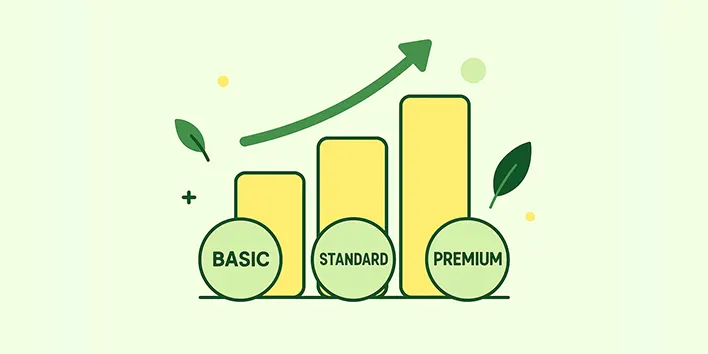
Using different pricing strategies, like psychological discount strategies or tiered pricing, is a smart way to appeal to various customer segments and make the most of revenue opportunities across different demographics.

5. Support for Long-Term Growth

Sustainable pricing strategies, like value-based or skimming pricing, are key to maintaining long-term profitability and keeping your market position steady. They work because they align your pricing with your product’s value or market dynamics, ensuring you’re not just competitive but also financially resilient. Makes sense, right?

Different Types of Pricing Strategies in Marketing

Different businesses have different needs, which is why it’s super important to explore various strategies and figure out what works best for your goals. Here, we’ve laid out some common pricing strategies, highlighting their pros and cons and which types of businesses each strategy suits best.

Cost Plus Pricing

One of the simplest and most straightforward pricing strategies out there is called cost-plus pricing. As the name suggests, it’s all about adding a fixed amount of money to the cost of producing a product. While this approach guarantees a profit margin (which is great!), it doesn’t always sync up with what the market is looking for.

Cost-plus pricing works best for businesses where costs are steady and predictable, but it’s not the greatest fit for industries that are highly competitive or constantly changing.

Check out the table below for a quick rundown of the pros and cons of this strategy:

Pros:

  • Easy to calculate
  • Ensures All Costs Are Covered
  • Provides a Clear Rationale for Pricing

Cons:

  • Doesn't Consider the Market Demand
  • Competitor Pricing Strategies Are not Factored in
  • If Costs Fluctuate Frequently, It Can Result in Inconsistent Pricing.

Competitive Pricing

A competitive pricing strategy is all about keeping an eye on what your competitors are charging and then setting your own prices accordingly, whether it’s slightly lower, higher, or right in line with them.

This approach works well when there are plenty of competitors offering similar products to yours. It helps you stay in the game and attract customers who are shopping around.

Take a look at the pros and cons of competitive pricing in the table below to see if it’s the right fit for your business!

Pros:

  • Attracts Price-Sensitive Customers
  • Staying aligned with competitors
  • Prevents Overpricing

Cons:

  • Price Wars
  • Unstable Revenue
  • Lack of Differentiation

Value-Based Pricing

Value-based pricing is all about setting your prices based on how much your customers believe your product or service is worth rather than focusing on production costs or past prices. Since this strategy relies on understanding what your customers truly value, it calls for a solid grasp of their preferences, the competition, and what makes your offering stand out.

This approach works wonders for businesses with unique products or services, such as luxury goods or anything that really resonates with a niche audience. But, as with any strategy, it has its ups and downs. Check out the table below to see the benefits and drawbacks of value-based pricing!

Pros:

  • Customer Focus
  • Flexibility
  • Increased Profit Margins (In the case if customers see high value)

Cons:

  • Complexity in Implementation:
  • Requires Strong Marketing
  • Risk of Misjudgment

Skimming Pricing

Skimming pricing, also called price skimming or skim pricing, is a strategy where businesses launch new products at high prices and gradually lower them as competitors enter the market. The idea is to tap into the demand from early adopters who are willing to pay a premium and then, over time, attract more price-sensitive customers as the price drops.

This approach is especially popular for innovative or high-tech products where there’s strong demand at the start. But, as always, it comes with its pros and cons. Here’s a quick look at the main price skimming advantages and disadvantages:

Pros:

  • Maximizes Early Profits
  • Creates Perception of Quality
  • Tests Market Demand

Cons:

  • Customer Dissatisfaction (In the case of lowering price)
  • Requires Unique Product
  • Slower Adoption Rate

Read More: What is ethical discounting?

Penetration Pricing

Penetration pricing is a strategy where businesses set a super low initial price to grab the attention of customers and attract a large audience quickly. This approach is especially common for companies launching new gadgets or for businesses looking to make a strong entrance into a competitive market.

While this strategy can create a buzz and help build a customer base fast, it does have its drawbacks. Check out the pros and cons of penetration pricing below to see if it’s the right move for your business!

Pros:

  • Quick Market Entry
  • Increased Market Share
  • Discourages Competition

Cons:

  • Low-Profit Margins
  • Difficult to Maintain
  • Quality Perception

Bundle pricing

Bundle pricing is a marketing strategy where businesses group two or more products or services together and offer them at a single, usually discounted, price. Essentially, each product has its own individual price, but as part of a bundle, the combined cost is lower.

For example, think about a "meal deal" at a restaurant; say, a burger, fries, and a drink sold together for less than if you bought them separately. It’s a win-win: customers feel like they’re getting a bargain, and businesses can boost sales.

Of course, like any strategy, bundle pricing has its upsides and downsides. Here’s a quick look at the pros and cons:

Pros:

  • Increased Perceived Value
  • Cross-Selling Opportunities
  • Reduced Inventory Costs

Cons:

  • Reduced Margins
  • Inventory Management Challenges
  • Unsuitability for All Products

Psychological Pricing

Psychological pricing is all about how our brains work when we see numbers. Ever noticed those prices like $2.99 or $3.99? Yep, there’s a reason behind that! It taps into the way we read from left to right. The trick is prices ending in 9 give off a “value” vibe. Like you’re getting a deal. Pretty clever, huh? It’s a simple but effective way to catch people’s attention and bring in more customers. 

Pros:

  • Increased Sales
  • Competitive Advantage
  • Improved Perceived Value

Cons:

  • Perceived Manipulation
  • Reduced Profit Margins
  • Impact on Brand Image 

Economic Pricing

Economic pricing is a strategy where businesses price their products or services lower than competitors to win over price-conscious shoppers. It’s like saying, “Hey, we’ve got the best deal around!” This approach works especially well for companies aiming to sell a lot of products with slim profit margins. The idea is simple: sell more, even if you’re earning less per item. This method can be a game-changer if you’re operating in a competitive market.

Here’s a quick breakdown of the main perks and drawbacks of this pricing strategy:

Pros:

  • Attracts Cost-Conscious Consumers
  • Competitive Edge
  • Simplicity

Cons:

  • Thin Profit Margins
  • Perception of Quality
  • Dependence on Volume

Freemium Pricing

Freemium pricing is a clever strategy where businesses offer a basic version of their products or services for free and keep the premium features for paying customers. The name says it all—“free” plus “premium.” It’s a win-win: customers get to try before they buy, and businesses have a chance to convert them into loyal, paying users. You’ve probably seen it with SaaS, social media, and communication platforms, think Spotify or Zoom.

Here’s a quick look at the pros and cons of this approach:

Pros:

  • Low Barrier to Entry
  • Scalability
  • Data Collection (From free users)

Cons:

  • Low Conversion Rates
  • Costly to Maintain
  • Long-Term Profitability Challenges

Premium Pricing Strategy

Premium pricing, also known as prestige or luxury pricing, is all about setting your product's price higher than the competition. Why? To signal top-notch quality, exclusivity, or luxury. This strategy works best when you’re targeting customers who believe “you get what you pay for” and are happy to spend more for that premium experience.

Now, let’s break down the pros and cons of this approach:

Pros:

  • Perception of Quality
  • Higher Profit Margins
  • Brand Loyalty

Cons:

  • Limited Market
  • Dependence on Brand Perception
  • Long-Term Profitability Challenges

Discount Pricing Strategies

Let's discover some discount pricing strategies together:

  • Discount pricing strategy is a pricing approach where businesses intentionally reduce prices for a limited time to attract customers, increase sales volume, or achieve specific marketing goals.
  • This strategy works best when discounts are planned and purposeful, not random. The goal isn’t just to sell more, but to drive actions like first-time purchases, repeat orders, or faster inventory turnover.
  • Common types of discount pricing include percentage-off discounts, Buy One Get One (BOGO) deals, bundle discounts, seasonal promotions, and time-sensitive offers.
  • When used strategically, discount pricing can increase conversion rates, reduce abandoned carts, and boost average order value with discounts by encouraging customers to buy more.
  • However, overusing discounts can damage perceived value and train customers to wait for lower prices, which is why balance and timing are critical.
  • The most effective discount pricing strategies align with cost-effective pricing, ensuring discounts still cover costs and protect profit margins.
  • To get the best results, businesses should combine discount pricing with clear goals, defined timeframes, and strong promotion across channels like email, social media, and on-site banners.

Real-World Discount Pricing Strategy Examples

Here are some discount pricing strategy examples:

Amazon – Time-Limited Discounts (Prime Day)

Amazon uses short, high-impact discounts during Prime Day to create massive urgency. These limited-time deals push customers to buy fast, increase order volume, and strengthen Prime memberships—all without running discounts year-round.

Nike – Flash Sales & Seasonal Discounts

Nike regularly runs flash sales on older collections or seasonal products. This helps clear inventory quickly while keeping new arrivals at full price, protecting brand value and margins.

Starbucks – BOGO & Happy Hour Offers

Starbucks uses Buy One Get One (BOGO) offers during limited hours to increase foot traffic during slow periods. These discounts boost short-term sales without permanently lowering prices.

Spotify – Promotional Subscription Discounts

Spotify often offers discounted or free trials for a limited time to attract new users. Once customers are locked into the ecosystem, many convert to full-price subscriptions.

McDonald's – Bundle Discount Pricing

McDonald’s bundles meals at a lower combined price to increase perceived value. Customers feel like they’re saving money, while the business increases average order value (AOV).

Booking.com – Last-Minute Discounts

Booking.com uses countdown timers and last-minute price drops to trigger FOMO. These discounts encourage quick decisions and help fill unsold hotel rooms efficiently.

Why These Examples Work

All of these brands use discounts strategically, not constantly. Their offers are:

  • Time-bound
  • Goal-driven
  • Aligned with cost-effective pricing
  • Designed to protect long-term brand value

Pricing Strategies with Examples

To have a better grasp of pricing strategies in marketing and business, here are some popular examples:

  • Penetration pricing, Amazon Prime: When Amazon introduced Prime, it set the initial price lower than the perceived value to attract a large customer base. Over time, the price increased as the service became indispensable to its users.
  • Premium pricing, Apple: Apple maintains high prices for its products, positioning them as premium, high-quality items. This exclusivity and focus on design and innovation justify the higher cost.
  • Freemium pricing, Spotify: Offers a free version with ads while charging a subscription fee for premium features like ad-free music and offline listening.
  • Bundle pricing, McDonald's: Combines items like burgers, fries, and drinks into meal deals at a lower price than purchasing items individually.

Top Tips to Create an Effective Pricing Strategy

We’ve covered a lot of ground on pricing strategies, breaking down their pros and cons. Now, you might be wondering: how do I create a pricing strategy that actually works? Great question! Let’s dive into what can help you build one:

Understand Your Market Audience

Take the time to research your target market and get to know your customers’ preferences. What do they value? What are they willing to pay? This insight helps you set prices that not only resonate with your audience but also keep you competitive.

Define Clear Objectives

What’s the goal of your pricing strategy? Are you trying to boost revenue, increase market share, or build customer loyalty? Having specific objectives ensures your pricing decisions serve a clear purpose.

Align Pricing with Business Goals

Once your goals are clear, choose a pricing strategy that supports them. For example, if you’re aiming to grow your market share, penetration pricing might be the way to go. The more familiar you are with different methods, the easier it’ll be to match your strategy with your objectives.

Offer Strategic Discounts

Discounts can be powerful when done thoughtfully. Use them to attract new customers, reward loyalty, or support seasonal campaigns—but always ensure they don’t dilute the perceived value of your product. Tailor your discounts to fit your marketing goals.

Test and Optimize

Pricing isn’t a “set it and forget it” deal. Regularly test different approaches, gather data, and fine-tune your strategy to see what works best for both your business and your customers.

Read More: Testing your discount strategies

Communicate Clearly

Transparency is the key. Clear and honest pricing builds trust and ensures your customers understand exactly what they’re paying for and the value they’re receiving.

By following these steps, you’ll have a pricing strategy that not only drives results but also feels fair and understandable to your audience.

Final Thoughts on Pricing Strategies in Marketing

Alright, so that’s the scoop on different pricing strategies in business. Just keep in mind that every strategy has its own ups and downs. What might be perfect for one business could totally miss the mark for yours. The trick? Find the one that clicks with your goals and your audience. There’s no magic formula, just what works best for you!

FAQ About The Best Pricing strategies

1. What are the types of pricing strategies?

There are different types of pricing strategies in marketing, such as bundle pricing, premium pricing, penetration pricing, value-based pricing, and more.

2. What are the key elements of strategic pricing?

Knowing your customers’ preferences, defining your objectives, choosing a pricing strategy that supports them, and setting clear and honest pricing are the main components of an effective pricing strategy.

3. Which pricing strategy is the best?

Each pricing strategy in business comes with its own ups and downs, and there is no strategy that fits into all types of business.

4. Is Price Skimming Ethical?

Yes, price skimming can be ethical when it’s used transparently and fairly. Businesses aren’t forcing customers to buy at higher prices—early adopters choose to pay more in exchange for early access, innovation, or exclusivity. As long as pricing is clear, customers understand the value they’re getting, and prices naturally decrease over time, price skimming is generally considered an ethical and accepted pricing strategy.