
Picture this: You’re walking through a mall or scrolling through Instagram, and you see a sign that screams “50% OFF! EVERYTHING MUST GO!”
Do you think, “Wow, what a high-quality brand”? Probably not. You likely think, “They must be desperate,” or “Is this stuff actually any good?”
This reaction leads to a critical question every business owner should ask: Will Discounting Hurt Your Brand?
This is the double-edged sword of sales. In the short term, running a promotion feels amazing. Sales spike, inventory moves, and the numbers on your dashboard turn green.
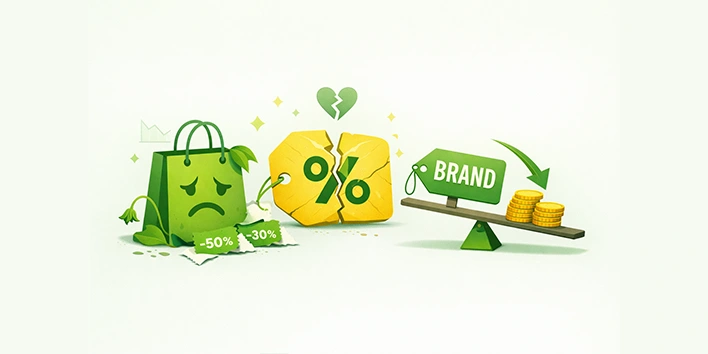
But if you aren't careful, you might train your customers to never pay full price again, slowly eroding the premium image you worked so hard to build. These Long-Term Effects of Discounting are often invisible at first—but they can quietly undermine your brand’s value over time.
In this guide, we’re going to look at what actually happens to your brand when sales become a habit, not a strategy. Let’s get into it.
The Psychology of Price: How Discounts Affect Consumer Behavior
Before we talk about profit margins, we need to talk about brains. Specifically, your customer’s brain.
Price is never just a number. It’s a signal. When a customer sees a price tag, they are instantly making a judgment about value.
Perceived Value vs. Actual Value
There are two types of value in every transaction:
- Actual Value: The cost of materials, labor, shipping, and overhead. This is math.
- Perceived Value: What the customer thinks the product is worth based on your brand, marketing, and crucially, your price.
When you discount frequently, you mess with that perceived value. This is known as the Signaling Theory. Essentially, a steep price drop signals to the customer that the product wasn’t worth the original price in the first place. That’s why strategies like Periodic Discounting, when done intentionally and sparingly, exist—to create urgency without permanently damaging how your brand is perceived.
You don’t see Hermès running a “Buy One Get One Free” sale on Birkin bags. Why? Because the high price is part of the product’s appeal.
Read More: Limited-offer discount
The Expectation Ratchet
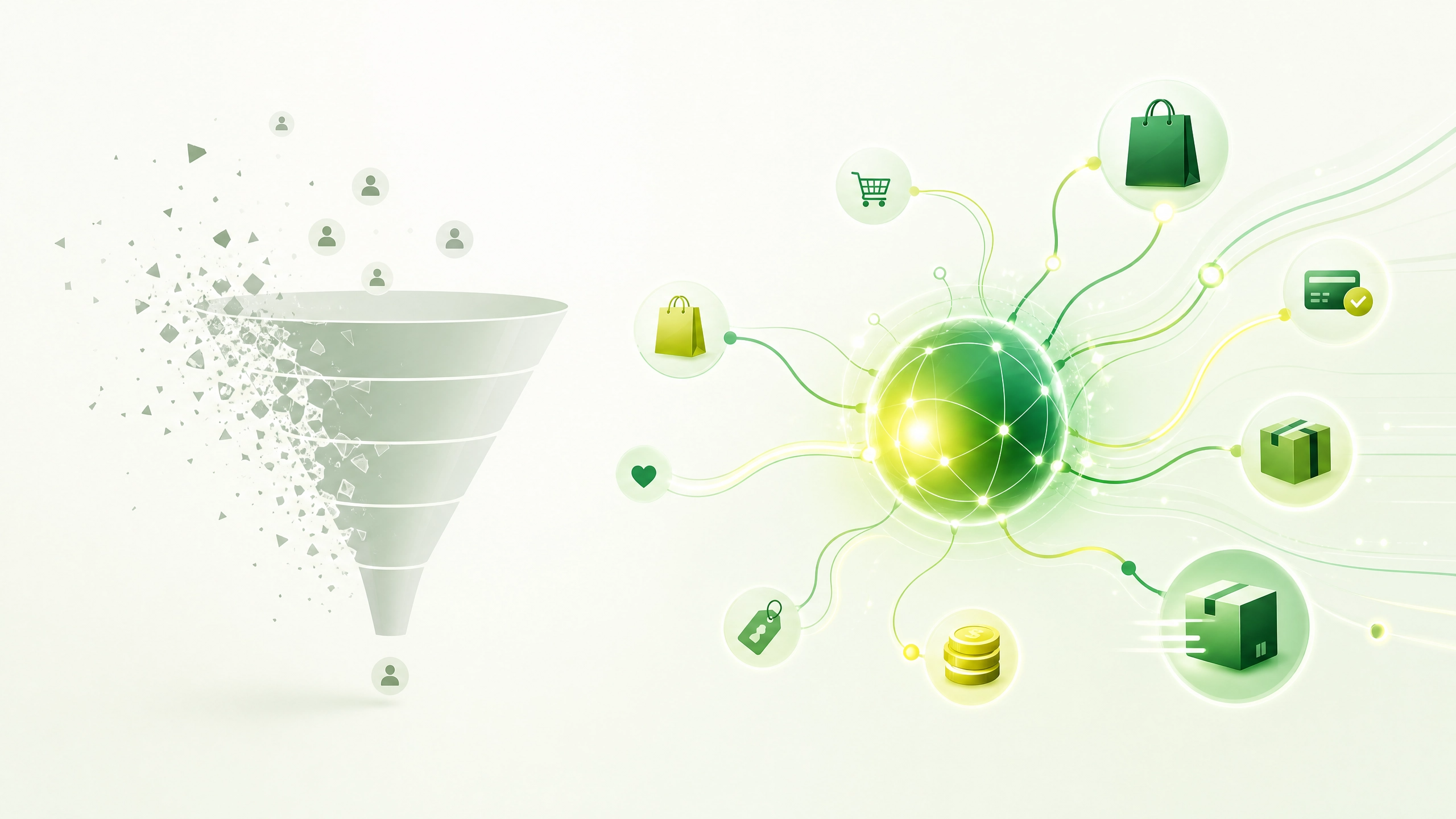
Imagine you offer a 20% discount on the first of every month. The first time, customers are thrilled. The second time, they’re happy. By the third month, they stop buying on the 28th, 29th, and 30th. They wait. They know the deal is coming.
You have effectively trained them to devalue your product. The promotional price becomes the "real" price in their minds, and the full price feels like a ripoff. Once you turn that ratchet, it is incredibly hard to turn it back.
Advantages and Disadvantages of Discounts: A Comprehensive Analysis
Let’s be fair, discounts aren’t all bad. If they were, nobody would use them. The key is knowing the difference between a strategic tool and a dangerous crutch.
The Allure: Short-Term Benefits
There is a reason sales are popular. When used sparingly, they work wonders:
- Inventory Clearing: Got winter coats taking up space in July? A discount is a perfect way to move dead stock and free up cash.
- Customer Acquisition: A small "welcome" offer can lower the risk for a new customer trying your brand for the first time.
- Cash Flow: Sometimes you just need revenue now. A flash sale is a quick lever to pull.
- Conversion Rate Spikes: Everyone loves a deal. A well-timed offer can convince fence-sitters to finally click "buy." (For more on this, check out our guide on how to increase conversion rate in Shopify.)
The Trap: Disadvantages of Giving Discounts to Customers (Long Term)
This is where the long term effects of discounting on business start to bite. The damage usually happens slowly, then all at once.
Real-World Case Studies: The Good, The Bad, and The Cautionary
The best way to understand the dangers of discounting is to look at the brands that lived through them.
The Cautionary Tales (When It Goes Wrong)
Let's see some examples:
JCPenney: The Withdrawal Symptoms
In 2012, JCPenney hired a new CEO who eliminated coupons and sales in favor of "Everyday Low Prices." It sounded great on paper: fair prices, no tricks.
The result? It was a disaster. Sales plummeted by 25%. Why? Because JCPenney had spent years teaching its customers that "winning" the shopping game meant using a coupon. When the coupons disappeared, the customers felt like they were losing, even if the price was actually fair.
Kohl’s: The Hamster Wheel
Kohl’s took the opposite approach: permanent sales. For years, they kept items on "sale" so often that they faced lawsuits over fake reference prices. If a shirt is 50% off for 300 days a year, is it really on sale? Customers eventually caught on. The constant yellow tags lost their urgency, and the brand struggled to build loyalty beyond just "it's cheap."
The Success Stories (How to Do It Right)
Allbirds: The Anti-Discount
On Black Friday, footwear brand Allbirds didn’t slash prices. They raised them. They increased prices by $1 and donated the extra money to climate initiatives.
This was a brilliant move in Ethical Discounting. It signaled confidence. It told customers, "Our shoes are worth every penny." Instead of looking for a deal, customers bought into the brand’s values.
Wild: The Strategic Scalpel
Wild, a sustainable deodorant brand on Shopify, shows how to use discounts without killing your margin. They offer a 20% discount, but only for subscription orders.
This is smart because it trades margin for something valuable: recurring revenue. They aren't just giving money away; they are using a discount to secure a long-term customer relationship.
Read More: Increase customer loyalty with discount
The Solution: Implementing a Balanced Discounting Strategy
So, does this mean you should never run a sale? Of course not. It means you need to stop doing "lazy" discounting (flat % off everything) and start doing "balanced" discounting.
Balanced discounting is about exchange. If you give a discount, you should get something in return; higher order value, a new customer, or a cleared warehouse.
Here are a few strategies that protect your brand:
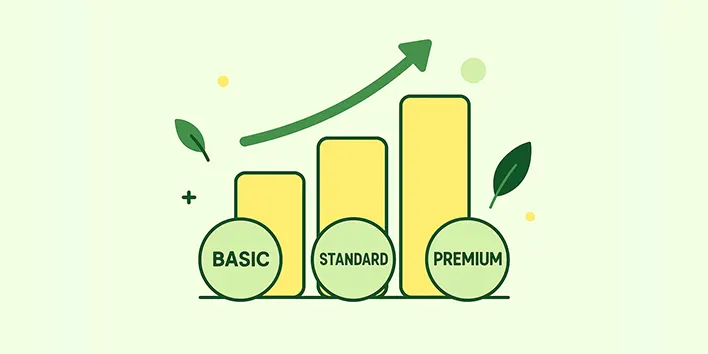
- Tiered Discounts (Buy More, Save More): Instead of giving 10% off a single item, offer "Buy 2, Get 10% Off" or "Buy 3, Get 20% Off." This incentivizes the customer to spend more to unlock the deal. You protect your profit dollars while the customer feels like they won. (Read more on this in our guide: What is a multibuy discount?).
- The "Free Gift" Tactic: Psychology tells us that people prefer getting something "free" over getting a math-based discount. Throwing in a free pair of socks with a $100 shoe order often feels more valuable to a customer than a $10 discount, but it usually costs you far less.
- Referral Incentives: Use discounts as a reward for advocacy. If a customer brings you a friend, give them both a deal. This isn't desperation; it's a marketing cost.
Read more: Referral Discounts
Best Practices for Shopify Stores: How to Prevent Long-Term Damage
If you are running a Shopify store, you have the tools to avoid the trap. You just need to set some ground rules.
1. Segmentation is Your Best Friend
Stop blasting your entire email list with a 20% off code. It’s lazy, and it trains your loyal full-price customers to wait. Instead, target your offers. Give a "Welcome" discount to new sign-ups, or a "We Miss You" code to people who haven't bought in six months. Keep your VIPs focused on quality, not price.
2. Focus on ROI, Not Just Revenue
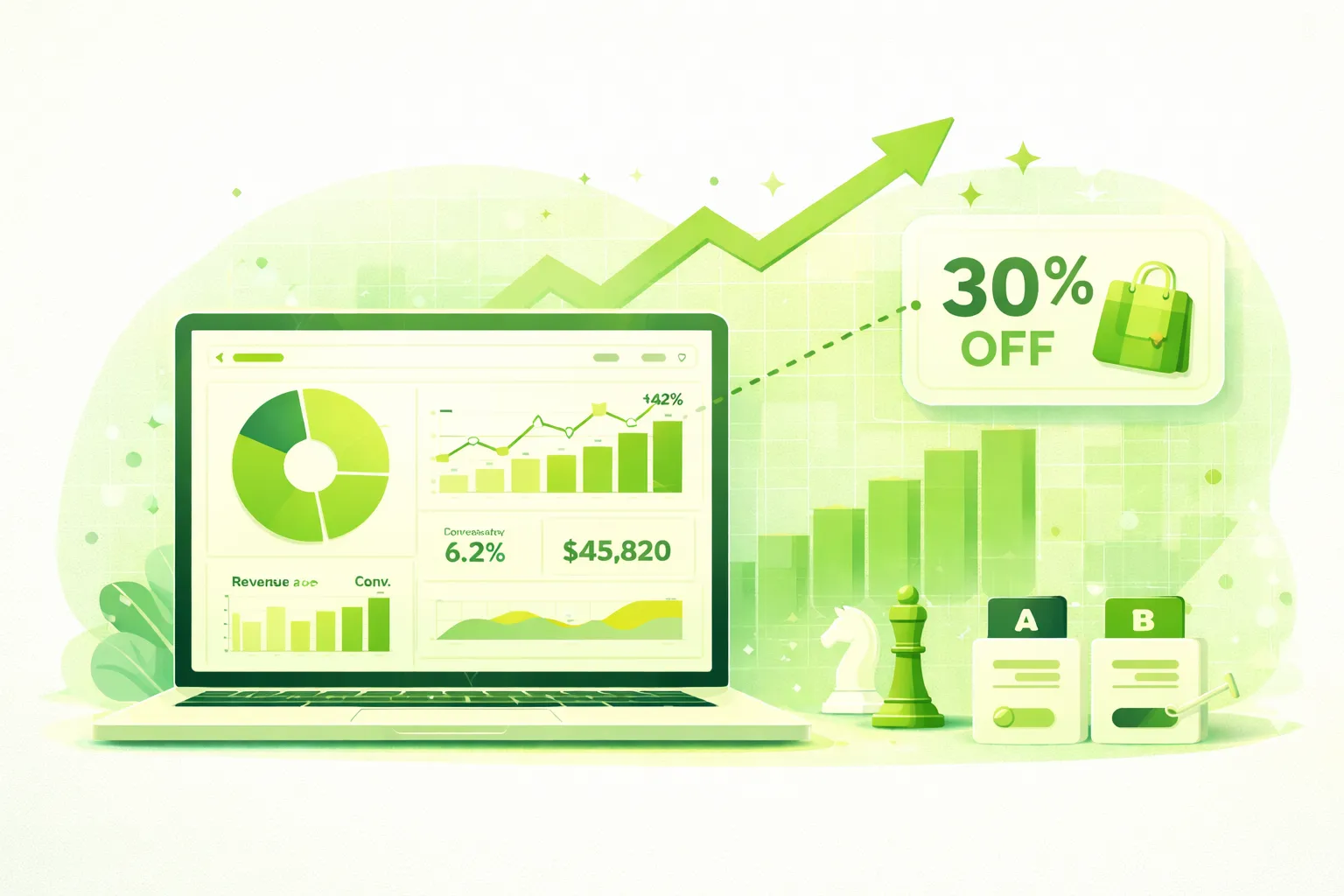
It’s easy to get excited by a high revenue day, but are you actually making money? Always look at your discount ROI Strategies. If a 30% off sale doubles your volume but cuts your net profit in half, you are working twice as hard for less money.
3. Use Discounts to Increase AOV
Never give a discount without asking for a little effort in return. Use thresholds like "Free Shipping over $75" or "Save $20 when you spend $100." This encourages shoppers to add that one extra item to their cart, which helps offset the cost of the promotion. (Deep dive: Increase average order value with discount).
4. Be Transparent and Consistent
Don’t play games with "original prices" that never existed. Today’s shoppers are smart; they can price-check you on Google in three seconds. If you say something is on sale, make sure it’s a genuine deal. Trust takes years to build and seconds to break.
Smart Implementation: Control Your Strategy with Discounty
We’ve talked about what to do: tier your discounts, protect your margins, and automate your offers. But if you’ve ever tried to set up a "Buy 2, Get 15% Off, but only for the Summer Collection" deal in Shopify’s native settings, you know it can get messy fast.
This is where the lack of control discount effects can really hurt you. If your tech stack limits you to basic "percentage off" codes, you end up running lazy promotions because they are the only ones you can set up easily.
To run a sophisticated strategy without hiring a developer, you need the right tools.
If you are on Shopify, a tool like Discounty is designed exactly for this purpose. It helps you move away from blanket sales and implement the "Balanced Discounting" strategies we discussed earlier.
For instance, setting up a 'Buy 2, Save 10%' tier should take about thirty seconds, not an hour of coding.
And here’s a huge time-saver: Auto-Updates. Say you add a new shirt to your summer collection next week. You shouldn't have to remember to go back into your discount settings to tag it manually. A smart tool just handles that for you.
Then there’s the design aspect. Let’s be real, default red sales badges often look cheap. Being able to customize those badges and timers to actually match your brand’s font and colors makes a massive difference.
It’s about keeping your strategy smart without making your daily workload heavier.
Conclusion
So, is discounting the villain here? Not really. The problem isn't the discount; it's the desperation.
The trick is to build a brand people actually want to pay for. When you do that, a discount becomes a nice bonus for them, not the only reason they bought from you.
Start small, test your tiers, and keep your standards high.


.png)