All about discount

What Is a BOGO Discount? Buy One Get One Explained

Mateo Rossini
|
June 17, 2026

A BOGO discount, short for Buy One, Get One, lets a customer get a second item free or at a reduced price after buying the first. It is one of the most recognizable promotions in retail, and the data shows why it sticks. Across the thousands of BOGO campaigns merchants have run on Discounty, the classic "buy one, get one free" is by far the most popular version, used well ahead of buy one get one 50% off.

This guide explains what a BOGO discount is, its two main types, how it differs from a flat 50% off, when it works, and how to set it up on your Shopify store.

What is a BOGO discount?

BOGO is short for Buy One, Get One. The idea is simple: a customer buys one item, and the second one, usually identical, is either free or sold at a discount, most often 50% off. You see it everywhere, from clothing and beauty stores to supermarkets and bookshops.

When merchants run BOGO on Discounty, the free version dominates. Of the BOGO campaigns that use a percentage, most give the second item 100% off, in other words completely free, and far fewer use 50% off. That points to a simple truth about shopper psychology, which we will come back to: free is hard to resist. BOGO sits within the wider family of discount types in marketing.

The two main types of BOGO

Buy One, Get One Free

The customer pays for one item and gets a second identical item at no cost. Buy one T-shirt, get a second free. It is the most common BOGO setup on Discounty and the most attention-grabbing, because the word free does the heavy lifting.

Buy One, Get One 50% Off

Instead of free, the second item is half price. The customer buys one T-shirt at full price and gets a second at 50% off. It is still a strong incentive, and it protects your margin better than giving the item away, which is why some stores prefer it for higher-cost products.

BOGO vs Buy X Get Y (BXGY)

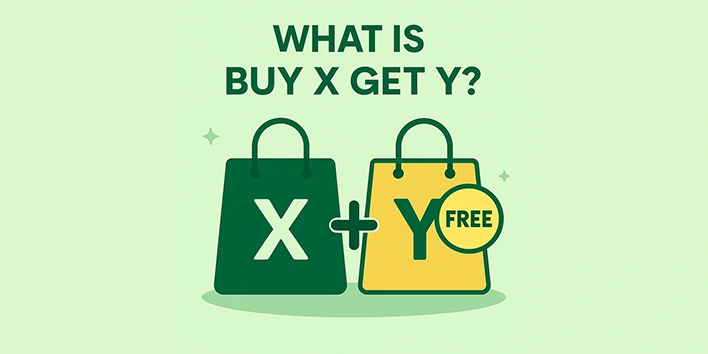
Traditional BOGO uses identical items. Buy X Get Y removes that limit: the free or discounted item can be different from the one the customer bought. The difference in one line:

  • BOGO: buy one item, get the same item free or discounted. Example: buy one T-shirt, get another T-shirt free.
  • BXGY: buy one item, get a different item free or discounted. Example: buy a pair of shoes, get a T-shirt free.

BXGY keeps the BOGO appeal while nudging customers to explore more of your catalog. For the full setup, see our guide to Buy X Get Y on Shopify.

BOGO vs a flat 50% off

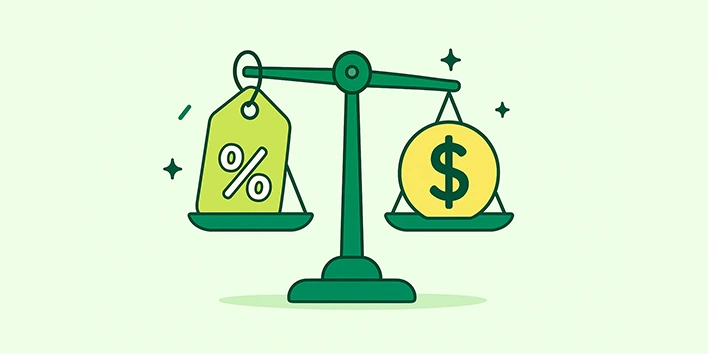
A common question: is "buy one get one 50% off" the same as "50% off"? On the math for two items, often yes. On how the customer feels, no.

  • Quantity: BOGO needs the customer to buy at least two items. A flat 50% off applies to a single item too.
  • Cost: for two items the totals can match. The framing is what differs.
  • Psychology: "free" or "get one" feels like a bigger win than a percentage, even when the saving is identical. People overvalue free.
  • Best for: BOGO drives order volume and clears stock. A flat 50% off suits single-item shoppers and protects perceived value.

That is why BOGO can outperform a plain discount on the same products: the offer feels more generous than it costs you.

Pros and cons of BOGO

BOGO is powerful, but it needs a plan.

Where it helps:

  • Clears inventory: moves stock that has been sitting too long.
  • Attracts new customers: free pulls in first-time shoppers.
  • Boosts order volume: customers add more to qualify.
  • Encourages bulk buying: people pay full price for the first item to get the second.

Where to be careful:

  • Margin hit: on low-margin items, giving one away can erase your profit.
  • Devaluation: run it too often and customers wait for the next BOGO instead of paying full price.
  • Inventory risk: if the deal underperforms, you can still be left with stock.

How to run a BOGO promotion

Before you launch, work through a short checklist:

  • Set a clear goal: clearing stock, winning new customers, or lifting order value.
  • Know your margins, including cost of goods and your average order value during past sales.
  • Pick the right type: free for maximum pull, 50% off to protect margin.
  • Choose products with enough margin to absorb the discount.
  • Time it well: slow periods, or the end of a season to clear stock.
  • Start small, track results, and make sure you have the stock to meet demand.

How to set up BOGO on Shopify

Shopify's native discounts can handle basic Buy X Get Y offers, but they get restrictive fast: only one automatic discount applies at a time, and you cannot easily stack a BOGO with other promotions. A dedicated app removes those limits. With a Buy X Get Y app you can set up BOGO and BXGY campaigns, combine them with other offers, and schedule exact start and end times.

Setting up a Buy One Get One campaign in Discounty

One more tactic: pair BOGO with volume discounts so customers spend more to reach higher tiers while still getting the BOGO perk.

BOGO examples to learn from

You will recognize BOGO from big brands: Subway runs it on footlong sandwiches, Publix features weekly BOGO grocery deals, and footwear stores like Famous Footwear use "buy one pair, get one 50% off" to move multiple pairs. The pattern is consistent: BOGO suits consumable, everyday, and seasonal products where buying two feels natural.

Is BOGO right for your store?

BOGO works best for consumable and seasonal products: fashion, beauty, and food, where a second item makes sense. It works less well for luxury or premium brands, where buy one get one can clash with an exclusive image. If your margins can absorb it and your goal is volume or stock clearance, BOGO is one of the most reliable promotions you can run.

BOGO discount FAQ

What does BOGO mean?

BOGO stands for Buy One, Get One. The customer buys one item and gets a second free or at a reduced price, most often 50% off.

Is BOGO the same as 50% off?

For two items the total can be the same, but BOGO feels more generous because of the word free, and it requires buying two items, which lifts order volume. A flat 50% off works on a single item and protects perceived value.

What is the most popular BOGO deal?

On Discounty, the classic buy one, get one free is the most common version by a wide margin, ahead of buy one get one 50% off.


What Is a BOGO Discount? Buy One Get One Explained

Mateo Rossini
|
June 17, 2026
All about discount

A BOGO discount, short for Buy One, Get One, lets a customer get a second item free or at a reduced price after buying the first. It is one of the most recognizable promotions in retail, and the data shows why it sticks. Across the thousands of BOGO campaigns merchants have run on Discounty, the classic "buy one, get one free" is by far the most popular version, used well ahead of buy one get one 50% off.
This guide explains what a BOGO discount is, its two main types, how it differs from a flat 50% off, when it works, and how to set it up on your Shopify store.

What is a BOGO discount?

BOGO is short for Buy One, Get One. The idea is simple: a customer buys one item, and the second one, usually identical, is either free or sold at a discount, most often 50% off. You see it everywhere, from clothing and beauty stores to supermarkets and bookshops.

When merchants run BOGO on Discounty, the free version dominates. Of the BOGO campaigns that use a percentage, most give the second item 100% off, in other words completely free, and far fewer use 50% off. That points to a simple truth about shopper psychology, which we will come back to: free is hard to resist. BOGO sits within the wider family of discount types in marketing.

The two main types of BOGO

Buy One, Get One Free

The customer pays for one item and gets a second identical item at no cost. Buy one T-shirt, get a second free. It is the most common BOGO setup on Discounty and the most attention-grabbing, because the word free does the heavy lifting.

Buy One, Get One 50% Off

Instead of free, the second item is half price. The customer buys one T-shirt at full price and gets a second at 50% off. It is still a strong incentive, and it protects your margin better than giving the item away, which is why some stores prefer it for higher-cost products.

BOGO vs Buy X Get Y (BXGY)

Traditional BOGO uses identical items. Buy X Get Y removes that limit: the free or discounted item can be different from the one the customer bought. The difference in one line:

  • BOGO: buy one item, get the same item free or discounted. Example: buy one T-shirt, get another T-shirt free.
  • BXGY: buy one item, get a different item free or discounted. Example: buy a pair of shoes, get a T-shirt free.

BXGY keeps the BOGO appeal while nudging customers to explore more of your catalog. For the full setup, see our guide to Buy X Get Y on Shopify.

BOGO vs a flat 50% off

A common question: is "buy one get one 50% off" the same as "50% off"? On the math for two items, often yes. On how the customer feels, no.

  • Quantity: BOGO needs the customer to buy at least two items. A flat 50% off applies to a single item too.
  • Cost: for two items the totals can match. The framing is what differs.
  • Psychology: "free" or "get one" feels like a bigger win than a percentage, even when the saving is identical. People overvalue free.
  • Best for: BOGO drives order volume and clears stock. A flat 50% off suits single-item shoppers and protects perceived value.

That is why BOGO can outperform a plain discount on the same products: the offer feels more generous than it costs you.

Pros and cons of BOGO

BOGO is powerful, but it needs a plan.

Where it helps:

  • Clears inventory: moves stock that has been sitting too long.
  • Attracts new customers: free pulls in first-time shoppers.
  • Boosts order volume: customers add more to qualify.
  • Encourages bulk buying: people pay full price for the first item to get the second.

Where to be careful:

  • Margin hit: on low-margin items, giving one away can erase your profit.
  • Devaluation: run it too often and customers wait for the next BOGO instead of paying full price.
  • Inventory risk: if the deal underperforms, you can still be left with stock.

How to run a BOGO promotion

Before you launch, work through a short checklist:

  • Set a clear goal: clearing stock, winning new customers, or lifting order value.
  • Know your margins, including cost of goods and your average order value during past sales.
  • Pick the right type: free for maximum pull, 50% off to protect margin.
  • Choose products with enough margin to absorb the discount.
  • Time it well: slow periods, or the end of a season to clear stock.
  • Start small, track results, and make sure you have the stock to meet demand.

How to set up BOGO on Shopify

Shopify's native discounts can handle basic Buy X Get Y offers, but they get restrictive fast: only one automatic discount applies at a time, and you cannot easily stack a BOGO with other promotions. A dedicated app removes those limits. With a Buy X Get Y app you can set up BOGO and BXGY campaigns, combine them with other offers, and schedule exact start and end times.

Setting up a Buy One Get One campaign in Discounty

One more tactic: pair BOGO with volume discounts so customers spend more to reach higher tiers while still getting the BOGO perk.

BOGO examples to learn from

You will recognize BOGO from big brands: Subway runs it on footlong sandwiches, Publix features weekly BOGO grocery deals, and footwear stores like Famous Footwear use "buy one pair, get one 50% off" to move multiple pairs. The pattern is consistent: BOGO suits consumable, everyday, and seasonal products where buying two feels natural.

Is BOGO right for your store?

BOGO works best for consumable and seasonal products: fashion, beauty, and food, where a second item makes sense. It works less well for luxury or premium brands, where buy one get one can clash with an exclusive image. If your margins can absorb it and your goal is volume or stock clearance, BOGO is one of the most reliable promotions you can run.

BOGO discount FAQ

What does BOGO mean?

BOGO stands for Buy One, Get One. The customer buys one item and gets a second free or at a reduced price, most often 50% off.

Is BOGO the same as 50% off?

For two items the total can be the same, but BOGO feels more generous because of the word free, and it requires buying two items, which lifts order volume. A flat 50% off works on a single item and protects perceived value.

What is the most popular BOGO deal?

On Discounty, the classic buy one, get one free is the most common version by a wide margin, ahead of buy one get one 50% off.