All about discount

Types of Promotion in Marketing: 6 Types Explained

Mateo Rossini
|
June 23, 2026

The main types of promotion in marketing are advertising, direct marketing, sales promotions, loyalty programs, events and experiences, and partnerships. Each does a different job: some build long-term loyalty, others drive a quick sales spike. This guide explains what each one is, its pros and cons, a real example, and how to choose the right mix for your goals and budget.

What is promotional marketing?

Promotional marketing is any activity that gets customers talking about your brand and nudges them to act. A good promotion can make people feel they are getting a deal, spark curiosity, or give a browser the final push to buy. It turns casual visitors into customers and occasional buyers into regulars, whether you are launching a product, building loyalty, or clearing stock. For the distinction between these terms, see promotion vs discount vs offer.

The 6 main types of promotion

1. Advertising

Paid placement that puts your brand in front of a large audience: TV, radio, billboards, or online ads.

  • Pros: broad reach, strong brand visibility.
  • Cons: expensive, hard to personalize.
  • Example: Nike's "Just Do It" campaign.
  • Best for: larger budgets and broad brand awareness.

2. Direct marketing

Personalized messages sent straight to customers by email, SMS, or mail.

  • Pros: personalized, cost-effective.
  • Cons: can feel intrusive, and needs careful data handling.
  • Example: Amazon's tailored product recommendations.
  • Best for: businesses with a clear audience list.

3. Sales promotions

Short-term deals like flash sales, BOGO, or "20% off today only" that push a quick decision. This is the category most Shopify stores reach for, and the data shows how they use it: when merchants run sales promotions through Discounty, percentage discounts make up about 82% of all campaigns. Single-product discounts are the most common, followed by tiered volume breaks at around 16%, then BOGO, cart goals, and free shipping.

  • Pros: immediate impact, flexible timing.
  • Cons: short-lived, and can cut into margin.
  • Example: Sephora's seasonal sales.
  • Best for: quick, short-term sales boosts.

4. Loyalty programs

Rewarding repeat customers with points, perks, or discounts. Many stores pair these with free shipping strategies to lift satisfaction.

  • Pros: long-term engagement, repeat purchases.
  • Cons: needs upkeep, and is less useful for new leads.
  • Example: Starbucks Rewards.
  • Best for: stores with a steady customer base.

5. Events and experiences

Memorable moments like product launches, workshops, or webinars, sometimes tied to seasonal discounts.

  • Pros: strong engagement, builds community.
  • Cons: costly, needs careful planning.
  • Example: Apple product launches.
  • Best for: brands building an engaged community.

6. Partnerships and collaborations

Teaming up with another brand or influencer to reach new audiences.

  • Pros: extended reach, added credibility.
  • Cons: your reputation is tied to your partner's, and it needs coordination.
  • Example: Airbnb's influencer partnerships.
  • Best for: expanding audience and trust.

How to choose the right promotion

There is no single best promotion. The right one depends on your goal, your audience, and your budget.

  1. Define your goal: quick sales, long-term loyalty, or brand visibility.
  2. Know your audience: contests and events suit younger shoppers, while loyalty programs and discounts suit repeat customers.
  3. Set a budget: from low-cost email to high-cost advertising.
  4. Check your resources: a tool like Discounty runs discount promotions without an in-house tech team.
  5. Time it well: some promotions peak in shopping seasons, while loyalty programs run all year.

Small businesses get the most from low-cost methods: email, giveaways, and loyalty programs. Larger businesses can add advertising, events, and partnerships to cement their position.

Running sales promotions on Shopify

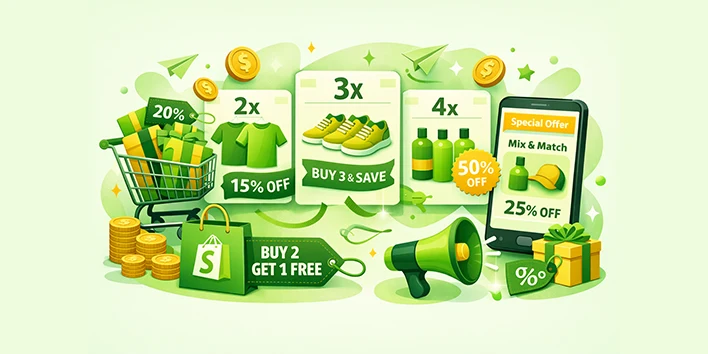
If sales promotions are your focus, a discount app handles the setup. You can build percentage discounts, BOGO, volume, and cart-goal campaigns, combine several at once, schedule them with start and end dates, add badges, and create deals like "Buy 2, Get 10% Off" or "Spend $50, Get 10% Off" in a few clicks. A countdown timer adds urgency.

Final thoughts

Promotions are one of the most effective ways to win attention and grow. From sales promotions and loyalty programs to events, the right one turns customers into fans and lifts sales. Match the type to your goal, audience, and budget, and on Shopify, a discount app makes the sales-promotion side simple to run.

Types of promotion FAQ

What are the main types of promotion in marketing?

The six main types are advertising, direct marketing, sales promotions, loyalty programs, events and experiences, and partnerships.

What is the difference between advertising and a sales promotion?

Advertising builds awareness over time across a broad audience. A sales promotion is a short-term deal designed to drive an immediate purchase.

Which type of promotion is best for a small Shopify store?

Low-cost options usually work best: email and direct marketing, loyalty programs, and sales promotions like percentage or BOGO discounts.

Types of Promotion in Marketing: 6 Types Explained

Mateo Rossini
|
June 23, 2026
All about discount

The main types of promotion in marketing are advertising, direct marketing, sales promotions, loyalty programs, events and experiences, and partnerships. Each does a different job: some build long-term loyalty, others drive a quick sales spike. This guide explains what each one is, its pros and cons, a real example, and how to choose the right mix for your goals and budget.

What is promotional marketing?

Promotional marketing is any activity that gets customers talking about your brand and nudges them to act. A good promotion can make people feel they are getting a deal, spark curiosity, or give a browser the final push to buy. It turns casual visitors into customers and occasional buyers into regulars, whether you are launching a product, building loyalty, or clearing stock. For the distinction between these terms, see promotion vs discount vs offer.

The 6 main types of promotion

1. Advertising

Paid placement that puts your brand in front of a large audience: TV, radio, billboards, or online ads.

  • Pros: broad reach, strong brand visibility.
  • Cons: expensive, hard to personalize.
  • Example: Nike's "Just Do It" campaign.
  • Best for: larger budgets and broad brand awareness.

2. Direct marketing

Personalized messages sent straight to customers by email, SMS, or mail.

  • Pros: personalized, cost-effective.
  • Cons: can feel intrusive, and needs careful data handling.
  • Example: Amazon's tailored product recommendations.
  • Best for: businesses with a clear audience list.

3. Sales promotions

Short-term deals like flash sales, BOGO, or "20% off today only" that push a quick decision. This is the category most Shopify stores reach for, and the data shows how they use it: when merchants run sales promotions through Discounty, percentage discounts make up about 82% of all campaigns. Single-product discounts are the most common, followed by tiered volume breaks at around 16%, then BOGO, cart goals, and free shipping.

  • Pros: immediate impact, flexible timing.
  • Cons: short-lived, and can cut into margin.
  • Example: Sephora's seasonal sales.
  • Best for: quick, short-term sales boosts.

4. Loyalty programs

Rewarding repeat customers with points, perks, or discounts. Many stores pair these with free shipping strategies to lift satisfaction.

  • Pros: long-term engagement, repeat purchases.
  • Cons: needs upkeep, and is less useful for new leads.
  • Example: Starbucks Rewards.
  • Best for: stores with a steady customer base.

5. Events and experiences

Memorable moments like product launches, workshops, or webinars, sometimes tied to seasonal discounts.

  • Pros: strong engagement, builds community.
  • Cons: costly, needs careful planning.
  • Example: Apple product launches.
  • Best for: brands building an engaged community.

6. Partnerships and collaborations

Teaming up with another brand or influencer to reach new audiences.

  • Pros: extended reach, added credibility.
  • Cons: your reputation is tied to your partner's, and it needs coordination.
  • Example: Airbnb's influencer partnerships.
  • Best for: expanding audience and trust.

How to choose the right promotion

There is no single best promotion. The right one depends on your goal, your audience, and your budget.

  1. Define your goal: quick sales, long-term loyalty, or brand visibility.
  2. Know your audience: contests and events suit younger shoppers, while loyalty programs and discounts suit repeat customers.
  3. Set a budget: from low-cost email to high-cost advertising.
  4. Check your resources: a tool like Discounty runs discount promotions without an in-house tech team.
  5. Time it well: some promotions peak in shopping seasons, while loyalty programs run all year.

Small businesses get the most from low-cost methods: email, giveaways, and loyalty programs. Larger businesses can add advertising, events, and partnerships to cement their position.

Running sales promotions on Shopify

If sales promotions are your focus, a discount app handles the setup. You can build percentage discounts, BOGO, volume, and cart-goal campaigns, combine several at once, schedule them with start and end dates, add badges, and create deals like "Buy 2, Get 10% Off" or "Spend $50, Get 10% Off" in a few clicks. A countdown timer adds urgency.

Final thoughts

Promotions are one of the most effective ways to win attention and grow. From sales promotions and loyalty programs to events, the right one turns customers into fans and lifts sales. Match the type to your goal, audience, and budget, and on Shopify, a discount app makes the sales-promotion side simple to run.

Types of promotion FAQ

What are the main types of promotion in marketing?

The six main types are advertising, direct marketing, sales promotions, loyalty programs, events and experiences, and partnerships.

What is the difference between advertising and a sales promotion?

Advertising builds awareness over time across a broad audience. A sales promotion is a short-term deal designed to drive an immediate purchase.

Which type of promotion is best for a small Shopify store?

Low-cost options usually work best: email and direct marketing, loyalty programs, and sales promotions like percentage or BOGO discounts.