
All about discount

Why Your Ecommerce Store Needs a Single Customer View to Increase AOV

Mateo Rossini
|
May 11, 2026

Why Your Ecommerce Store Needs a Single Customer View to Increase AOV

Most ecommerce brands already collect huge amounts of customer data. The problem is that the data usually lives in different places. Shopify stores track orders, email platforms collect engagement data, loyalty apps monitor rewards activity, and customer support tools store conversations separately.

When these systems are disconnected, brands lose the ability to truly understand their customers. This fragmented data creates inconsistent shopping experiences, weak personalization, and missed revenue opportunities.

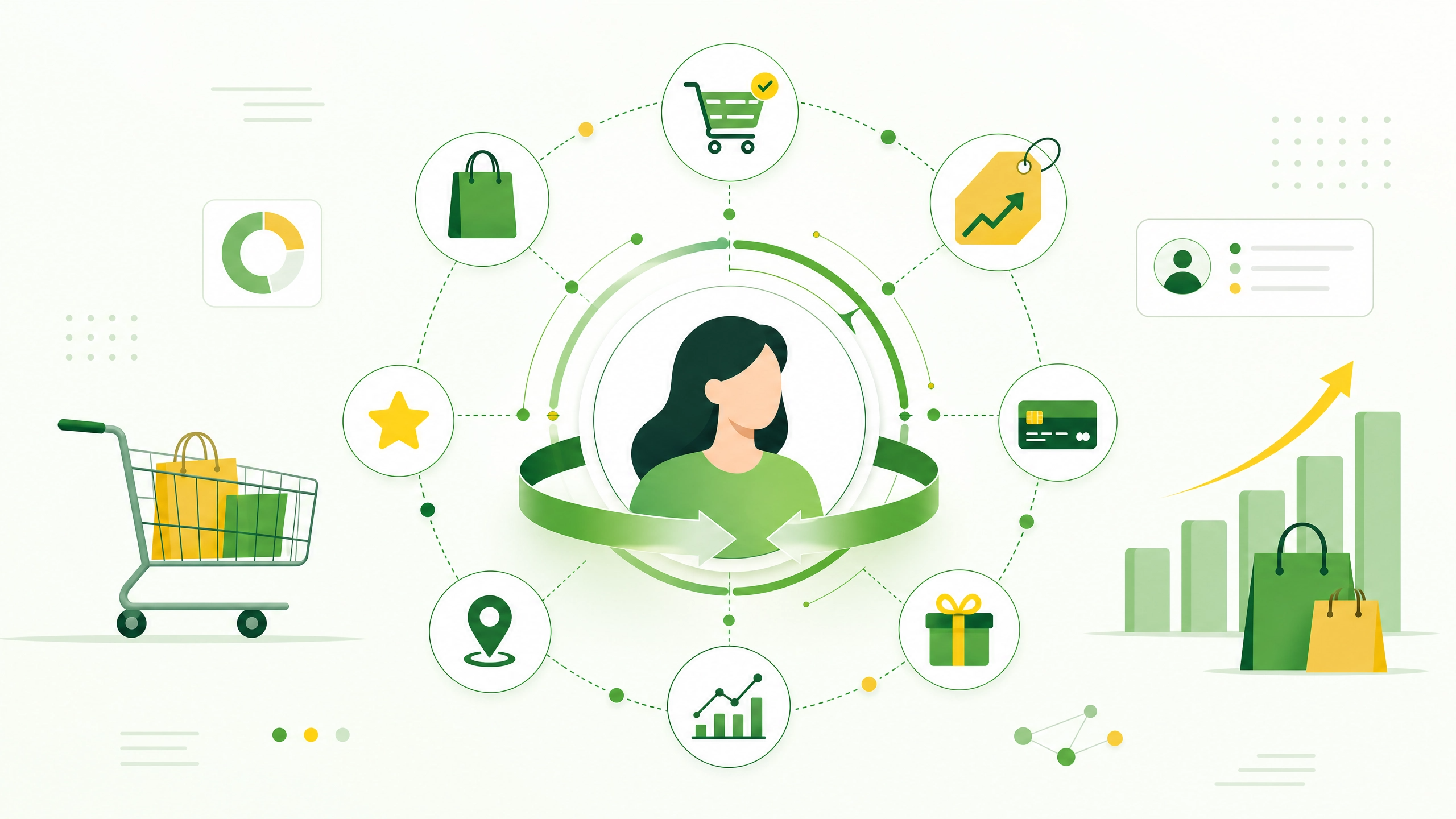
A unified customer profile ecommerce strategy solves this challenge by bringing all customer information into a single view. Instead of guessing what shoppers want, brands can use complete and accurate customer insights to create personalized experiences that increase conversions and average order value (AOV).

In fact, industry benchmarks show that personalization based on customer data can increase revenue by 10%–25%. For ecommerce brands competing in crowded markets, that revenue lift can make a major difference.

What Is a Unified Customer Profile in Ecommerce?

A unified customer profile is a complete, centralized view of each customer built from multiple data sources. It combines purchase history, browsing behavior, email engagement, support interactions, loyalty activity, and marketing data into one profile.

Instead of seeing customers as disconnected transactions, ecommerce brands can understand the full customer journey. This allows businesses to personalize every interaction based on real customer behavior rather than assumptions.

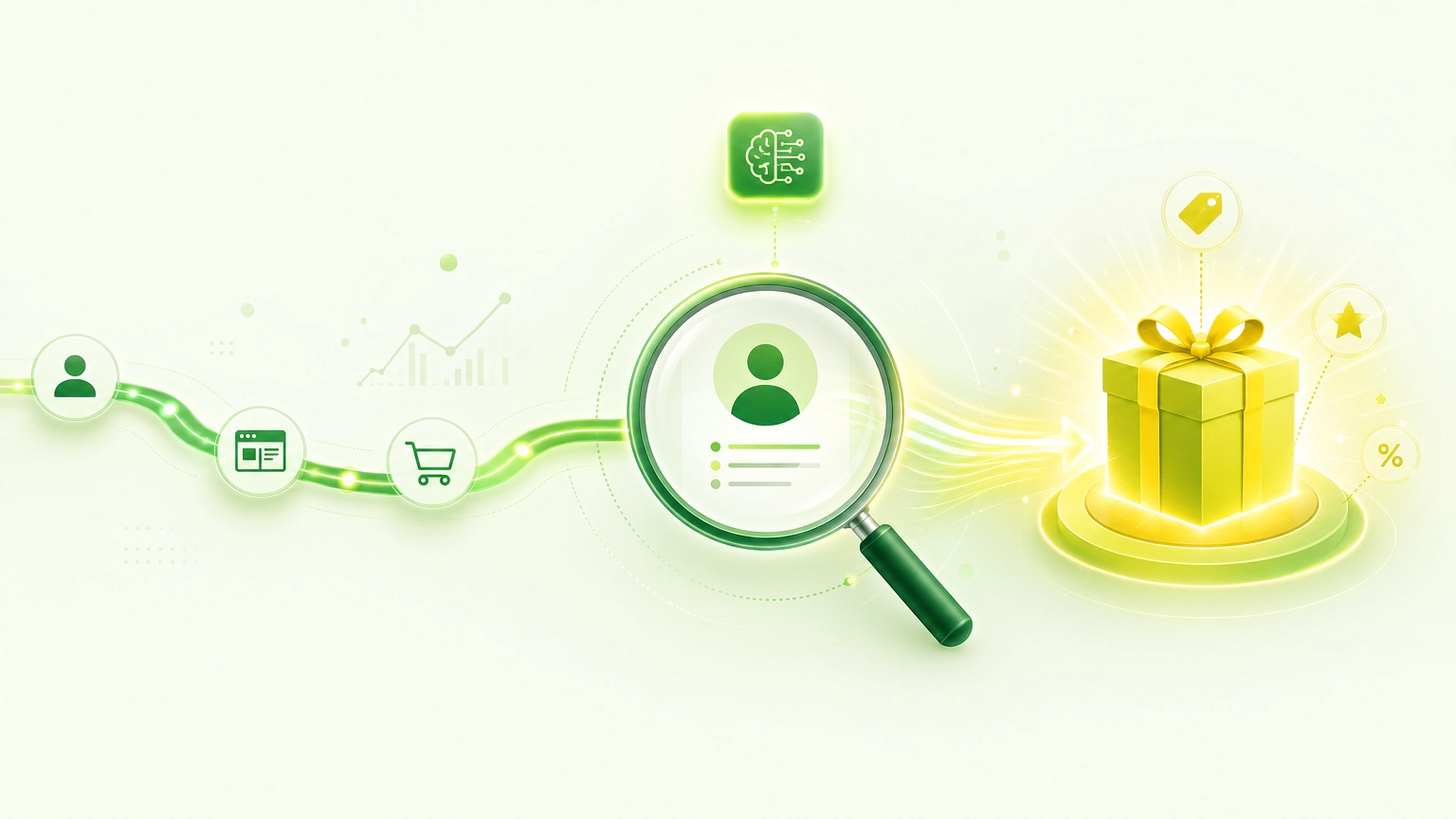
For example, a shopper may browse skincare products on mobile, abandon their cart, later open an email campaign on desktop, and finally purchase through a retargeting ad. Without ecommerce customer data integration, these actions may appear as separate events. A unified profile connects them into one complete customer story.

This is why many Shopify merchants are investing in a customer data platform Shopify solution. It helps centralize customer information and turns scattered data into actionable insights.

How Fragmented Customer Data Causes Revenue Loss

Fragmented data is one of the biggest hidden revenue leaks in ecommerce. Many brands assume they are personalizing effectively, but disconnected systems often create incomplete customer insights.

When customer data is split across platforms, businesses struggle to deliver relevant experiences. Customers may receive promotions for products they already purchased, irrelevant product recommendations, or duplicate marketing emails. These poor experiences reduce trust and lower conversion rates.

Fragmented data also makes upselling and cross-selling less effective. If your ecommerce store cannot accurately identify customer preferences or buying behavior, it becomes difficult to recommend products that actually increase cart value.

For example, if a customer frequently buys fitness products but your email platform cannot access purchase history from Shopify, your campaigns may fail to promote complementary products. That missed personalization directly impacts AOV.

In many cases, brands are already collecting the right data. The issue is simply that the systems are not connected.

How a Unified Customer Profile Increases AOV

A single customer view gives ecommerce brands the context needed to personalize every stage of the shopping experience. Better personalization naturally leads to higher order values.

With unified customer data, brands can create smarter product recommendations based on browsing behavior, purchase history, and customer preferences. Instead of generic suggestions, customers see products that are genuinely relevant to them.

This also improves email marketing performance. Personalized campaigns based on customer behavior generate stronger engagement and encourage repeat purchases. Customers are more likely to add additional items when recommendations match their interests.

A unified profile also helps brands identify high-value customers and tailor offers specifically for them. VIP shoppers can receive exclusive bundles, early access promotions, or loyalty incentives designed to increase spending.

The biggest advantage is consistency. Customers receive a connected experience across email, ads, SMS, customer support, and the storefront itself. This level of personalization creates trust and increases the likelihood of larger purchases.

The Role of Ecommerce Personalization Data

Modern ecommerce growth depends heavily on personalization. Generic shopping experiences no longer perform as well because customers expect brands to understand their preferences.

Ecommerce personalization data allows businesses to tailor product recommendations, homepage content, promotions, and marketing campaigns based on individual customer behavior.

When this data is unified, personalization becomes significantly more accurate. Brands can segment customers based on lifecycle stage, average spend, purchase frequency, or product interest.

For example, a returning customer who recently purchased running shoes may receive recommendations for athletic apparel or accessories instead of seeing unrelated products. This creates a smoother customer journey and increases the chances of additional purchases.

The more complete the customer data, the more effective personalization becomes.

How to Build a Unified Customer Profile

Brands looking to improve personalization and increase AOV should start by centralizing customer data across all touchpoints.

The first step is identifying where customer information currently exists. This often includes Shopify, email marketing platforms, loyalty apps, review tools, SMS marketing software, and customer support systems.

Next, businesses need a system that can connect and synchronize this information. Many brands use a customer data platform Shopify solution to consolidate data automatically and create a real-time customer profile.

Once the data is unified, teams can begin creating personalized experiences using customer behavior, purchase history, and engagement patterns.

The goal is not simply to collect more data. It is to make customer data usable and actionable across every marketing and sales channel.

Why Shopify Brands Need Better Customer Data Integration

As Shopify stores grow, their tech stacks become more complex. Brands often add multiple apps for reviews, subscriptions, loyalty programs, analytics, and customer support. While these tools are valuable individually, they frequently create disconnected customer experiences.

This is why ecommerce customer data integration has become essential for scaling brands. Without integration, valuable insights remain trapped inside separate platforms.

A connected system allows Shopify merchants to unify customer data, automate personalization, and make smarter marketing decisions. Instead of relying on assumptions, teams can understand exactly how customers interact with the brand.

For growing ecommerce businesses, this creates a major competitive advantage.

Single Customer View Ecommerce Benefits

The benefits of a single customer view extend far beyond personalization alone.

Brands gain more accurate customer segmentation, improved retention strategies, stronger marketing attribution, and better customer support experiences. Teams can make faster decisions because all customer information exists in one place.

From a revenue perspective, the biggest benefit is the ability to increase average order value through more relevant experiences. Customers are more likely to buy additional products when recommendations align with their interests and purchase behavior.

A unified customer profile also helps reduce wasted marketing spend. Instead of targeting broad audiences with generic campaigns, brands can focus on highly personalized messaging that converts more effectively.

Over time, this creates stronger customer relationships and higher lifetime value.

Conclusion

Ecommerce brands already have access to valuable customer data. The challenge is turning that data into meaningful customer experiences.

Without a unified customer profile ecommerce strategy, businesses risk losing revenue through fragmented systems, inconsistent personalization, and disconnected customer journeys.

By building a single customer view, Shopify brands can create smarter personalization strategies, improve customer engagement, and increase AOV through more relevant shopping experiences.

As ecommerce competition continues to grow, brands that successfully unify customer data will be in a much stronger position to drive long-term revenue growth and customer loyalty.

Why Your Ecommerce Store Needs a Single Customer View to Increase AOV

Mateo Rossini
|
May 11, 2026
All about discount

Why Your Ecommerce Store Needs a Single Customer View to Increase AOV

Most ecommerce brands already collect huge amounts of customer data. The problem is that the data usually lives in different places. Shopify stores track orders, email platforms collect engagement data, loyalty apps monitor rewards activity, and customer support tools store conversations separately.

When these systems are disconnected, brands lose the ability to truly understand their customers. This fragmented data creates inconsistent shopping experiences, weak personalization, and missed revenue opportunities.

A unified customer profile ecommerce strategy solves this challenge by bringing all customer information into a single view. Instead of guessing what shoppers want, brands can use complete and accurate customer insights to create personalized experiences that increase conversions and average order value (AOV).

In fact, industry benchmarks show that personalization based on customer data can increase revenue by 10%–25%. For ecommerce brands competing in crowded markets, that revenue lift can make a major difference.

What Is a Unified Customer Profile in Ecommerce?

A unified customer profile is a complete, centralized view of each customer built from multiple data sources. It combines purchase history, browsing behavior, email engagement, support interactions, loyalty activity, and marketing data into one profile.

Instead of seeing customers as disconnected transactions, ecommerce brands can understand the full customer journey. This allows businesses to personalize every interaction based on real customer behavior rather than assumptions.

For example, a shopper may browse skincare products on mobile, abandon their cart, later open an email campaign on desktop, and finally purchase through a retargeting ad. Without ecommerce customer data integration, these actions may appear as separate events. A unified profile connects them into one complete customer story.

This is why many Shopify merchants are investing in a customer data platform Shopify solution. It helps centralize customer information and turns scattered data into actionable insights.

How Fragmented Customer Data Causes Revenue Loss

Fragmented data is one of the biggest hidden revenue leaks in ecommerce. Many brands assume they are personalizing effectively, but disconnected systems often create incomplete customer insights.

When customer data is split across platforms, businesses struggle to deliver relevant experiences. Customers may receive promotions for products they already purchased, irrelevant product recommendations, or duplicate marketing emails. These poor experiences reduce trust and lower conversion rates.

Fragmented data also makes upselling and cross-selling less effective. If your ecommerce store cannot accurately identify customer preferences or buying behavior, it becomes difficult to recommend products that actually increase cart value.

For example, if a customer frequently buys fitness products but your email platform cannot access purchase history from Shopify, your campaigns may fail to promote complementary products. That missed personalization directly impacts AOV.

In many cases, brands are already collecting the right data. The issue is simply that the systems are not connected.

How a Unified Customer Profile Increases AOV

A single customer view gives ecommerce brands the context needed to personalize every stage of the shopping experience. Better personalization naturally leads to higher order values.

With unified customer data, brands can create smarter product recommendations based on browsing behavior, purchase history, and customer preferences. Instead of generic suggestions, customers see products that are genuinely relevant to them.

This also improves email marketing performance. Personalized campaigns based on customer behavior generate stronger engagement and encourage repeat purchases. Customers are more likely to add additional items when recommendations match their interests.

A unified profile also helps brands identify high-value customers and tailor offers specifically for them. VIP shoppers can receive exclusive bundles, early access promotions, or loyalty incentives designed to increase spending.

The biggest advantage is consistency. Customers receive a connected experience across email, ads, SMS, customer support, and the storefront itself. This level of personalization creates trust and increases the likelihood of larger purchases.

The Role of Ecommerce Personalization Data

Modern ecommerce growth depends heavily on personalization. Generic shopping experiences no longer perform as well because customers expect brands to understand their preferences.

Ecommerce personalization data allows businesses to tailor product recommendations, homepage content, promotions, and marketing campaigns based on individual customer behavior.

When this data is unified, personalization becomes significantly more accurate. Brands can segment customers based on lifecycle stage, average spend, purchase frequency, or product interest.

For example, a returning customer who recently purchased running shoes may receive recommendations for athletic apparel or accessories instead of seeing unrelated products. This creates a smoother customer journey and increases the chances of additional purchases.

The more complete the customer data, the more effective personalization becomes.

How to Build a Unified Customer Profile

Brands looking to improve personalization and increase AOV should start by centralizing customer data across all touchpoints.

The first step is identifying where customer information currently exists. This often includes Shopify, email marketing platforms, loyalty apps, review tools, SMS marketing software, and customer support systems.

Next, businesses need a system that can connect and synchronize this information. Many brands use a customer data platform Shopify solution to consolidate data automatically and create a real-time customer profile.

Once the data is unified, teams can begin creating personalized experiences using customer behavior, purchase history, and engagement patterns.

The goal is not simply to collect more data. It is to make customer data usable and actionable across every marketing and sales channel.

Why Shopify Brands Need Better Customer Data Integration

As Shopify stores grow, their tech stacks become more complex. Brands often add multiple apps for reviews, subscriptions, loyalty programs, analytics, and customer support. While these tools are valuable individually, they frequently create disconnected customer experiences.

This is why ecommerce customer data integration has become essential for scaling brands. Without integration, valuable insights remain trapped inside separate platforms.

A connected system allows Shopify merchants to unify customer data, automate personalization, and make smarter marketing decisions. Instead of relying on assumptions, teams can understand exactly how customers interact with the brand.

For growing ecommerce businesses, this creates a major competitive advantage.

Single Customer View Ecommerce Benefits

The benefits of a single customer view extend far beyond personalization alone.

Brands gain more accurate customer segmentation, improved retention strategies, stronger marketing attribution, and better customer support experiences. Teams can make faster decisions because all customer information exists in one place.

From a revenue perspective, the biggest benefit is the ability to increase average order value through more relevant experiences. Customers are more likely to buy additional products when recommendations align with their interests and purchase behavior.

A unified customer profile also helps reduce wasted marketing spend. Instead of targeting broad audiences with generic campaigns, brands can focus on highly personalized messaging that converts more effectively.

Over time, this creates stronger customer relationships and higher lifetime value.

Conclusion

Ecommerce brands already have access to valuable customer data. The challenge is turning that data into meaningful customer experiences.

Without a unified customer profile ecommerce strategy, businesses risk losing revenue through fragmented systems, inconsistent personalization, and disconnected customer journeys.

By building a single customer view, Shopify brands can create smarter personalization strategies, improve customer engagement, and increase AOV through more relevant shopping experiences.

As ecommerce competition continues to grow, brands that successfully unify customer data will be in a much stronger position to drive long-term revenue growth and customer loyalty.